
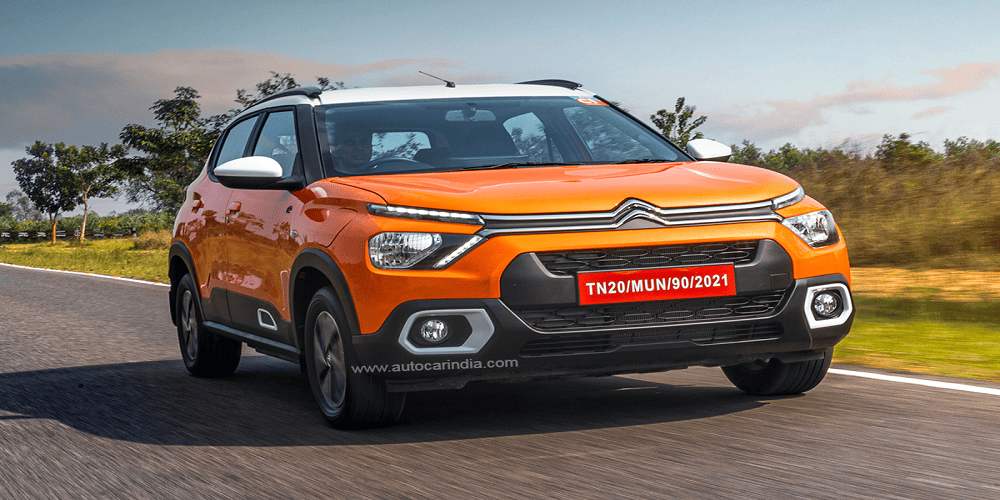
In an era when sustainability is becoming more than just a buzzword, the automotive industry is undergoing a dramatic transformation. Electric cars are no longer a futuristic concept; they are a reality on roads worldwide. Among the leading options in the budget-friendly electric vehicle (EV) segment is the EC3 Automobile — a compact, affordable, and practical choice for modern city dwellers who want to drive clean without compromising convenience.
In this in-depth guide, we will explore everything you need to know about the EC3 Automobile: its design, features, performance, charging details, pricing, benefits, limitations, and whether it’s the right EV for you. By the end, you’ll have a comprehensive understanding of why the EC3 is gaining traction and what sets it apart in a rapidly growing electric car market.
1. What is the EC3 Automobile?
The EC3 Automobile is an all-electric hatchback designed primarily for city driving and short commutes. It’s part of a new wave of budget EVs aimed at making electric mobility accessible to the masses. Lightweight, compact, and energy-efficient, the EC3 is tailored for urban roads, offering practicality with minimal environmental impact.
Manufacturers often position the EC3 as an ideal alternative to conventional small petrol hatchbacks. With zero tailpipe emissions, low running costs, and government subsidies for electric cars, the EC3 provides an appealing proposition for first-time EV buyers.
2. Design and Styling
The EC3’s design philosophy revolves around simplicity and functionality. From the outside, it looks modern yet unpretentious. Sleek headlights, clean lines, and a slightly elevated stance make it suitable for tight city streets and occasional bumpy roads.
Inside, the cabin maximizes space usage. Despite its compact exterior, the interior feels airy with decent headroom and legroom for four passengers. The dashboard usually includes a digital instrument cluster, a basic infotainment system compatible with smartphones, and user-friendly controls. Eco-friendly materials are often used for seat fabrics and trim to align with the car’s sustainability goals.
3. Performance and Drive Quality
Let’s be realistic — the EC3 is not designed to win drag races. Its strength lies in predictable and efficient urban performance. The electric motor typically generates enough torque for zippy acceleration from standstill, which is a big plus in stop-and-go traffic.
Top speeds are modest, usually capped to ensure efficiency and safety in urban settings. Suspension tuning prioritizes comfort over sportiness, absorbing city potholes and speed bumps reasonably well. The compact dimensions and light steering make parking and maneuvering stress-free.
Another highlight is the whisper-quiet ride. Unlike petrol or diesel cars, the EC3 produces virtually no engine noise, adding to the calm cabin experience.
4. Battery and Range
One of the main questions potential buyers have is about battery life and driving range.
The EC3 typically comes with a lithium-ion battery pack ranging from around 20 kWh to 30 kWh, depending on the variant and market. This capacity translates to an average range of 180 to 220 kilometers on a single charge under real-world conditions. For city driving, this range is usually more than adequate for daily errands or short office commutes.
However, driving style, air conditioning use, and terrain can affect range. Regenerative braking helps recapture energy when slowing down, slightly boosting efficiency.
5. Charging the EC3 Automobile
Charging convenience is critical for any EV owner. The EC3 supports both home charging and fast charging:
- Home Charging: Plugging into a standard wall socket or a dedicated home charger can fully recharge the EC3 overnight, usually within 6–8 hours.
- Fast Charging: Many public charging stations offer DC fast charging, which can top up the battery from 20% to 80% in about an hour or less, depending on charger capacity.
Owners are encouraged to install a home charging point for regular use, minimizing reliance on public infrastructure.
6. Cost of Ownership and Maintenance
One of the biggest draws of the EC3 is its low running costs. Electricity is significantly cheaper than petrol or diesel per kilometer traveled. Additionally, electric vehicles have fewer moving parts than internal combustion engine cars — no oil changes, no fuel filters, no complex exhaust systems.
Routine maintenance primarily involves brakes, tires, battery health checks, and basic software updates. Many governments also offer tax rebates or road tax exemptions for EVs, further lowering the cost of ownership.
7. Safety Features
While budget EVs don’t always have high-end safety tech, the EC3 covers the basics well. Common safety features include:
- Dual front airbags
- ABS with EBD
- Rear parking sensors or camera
- Seatbelt reminders
- Basic stability control
Some variants might offer additional driver-assist features like hill-hold or regenerative braking adjustability.
8. Connectivity and Infotainment
Today’s buyers expect cars to be connected. The EC3 typically includes a touchscreen infotainment system with Bluetooth, USB, and smartphone integration. Some models support Android Auto and Apple CarPlay. Over-the-air software updates may be available for certain functions, ensuring that the system stays up to date.
9. Benefits of the EC3 Automobile
Let’s summarize the main advantages:
? Environmentally Friendly: Zero tailpipe emissions help reduce urban pollution and carbon footprint.
? Low Running Costs: Cheap to charge, minimal maintenance, and attractive government incentives.
? Easy to Drive: Instant torque and smooth operation make it perfect for congested city traffic.
? Compact Size: Navigating narrow streets and tight parking spots is hassle-free.
? Quiet and Comfortable: Silent cabin enhances comfort and reduces noise pollution.
10. Limitations to Consider
No car is perfect — here are a few things to keep in mind:
? Limited Range: Not ideal for long highway trips without careful planning.
? Charging Infrastructure: Availability of public fast chargers can be patchy in some regions.
? Performance Trade-Offs: Don’t expect high-speed thrills or sporty handling.
? Basic Features: Budget models might lack premium interiors or advanced driver aids.
11. EC3 vs. Competitors
In the affordable EV segment, the EC3 faces competition from other city-friendly electric cars such as the Tata Tiago EV, MG Comet EV, and various entry-level models from local and international brands.
While specifications may differ slightly, the EC3 usually stands out for its competitive price, simple design, and practical urban usability. Buyers should compare range, warranty, service network, and user reviews before finalizing their choice.
12. Who Should Buy the EC3 Automobile?
The EC3 makes sense for:
- City commuters with daily drives under 100 kilometers.
- First-time EV buyers who want a simple, affordable electric car.
- Families looking for a second car for local errands.
- Environmentally conscious drivers wanting to lower their carbon footprint.
However, frequent highway travelers or people in areas with limited charging options may want to consider hybrids or plug-in hybrids instead.
13. Tips for Maximizing Your EC3 Experience
Here are some practical tips for EC3 owners:
? Plan Charging: Keep your battery between 20% and 80% for longevity. Plug in overnight for daily convenience.
? Drive Smoothly: Aggressive driving drains the battery faster. Smooth acceleration helps maximize range.
? Use Regenerative Braking: Learn to use regen modes to recover energy while slowing down.
?? Know Charger Locations: Familiarize yourself with nearby public charging stations for emergencies.
? Stay Updated: Check for software updates from the manufacturer for optimal performance.
14. The Road Ahead for Affordable EVs Like the EC3
The EC3 Automobile represents a step in the right direction toward mass electric mobility. As battery technology improves and governments push for greener cities, we can expect even better range, faster charging, and lower prices.
Moreover, as charging infrastructure expands and renewable energy becomes mainstream, the overall environmental impact of EVs will continue to decrease, making cars like the EC3 not just practical, but also a responsible choice for a sustainable future.
Frequently Asked Questions (FAQs)
Q1. What is the real-world range of the EC3 Automobile?
The real-world driving range usually falls between 180 to 220 kilometers per full charge, depending on driving style, terrain, and climate.
Q2. How long does it take to fully charge the EC3 at home?
Using a standard home charger, it generally takes around 6 to 8 hours to charge from empty to 100%.
Q3. Can I take the EC3 Automobile on long trips?
While possible, the EC3 is mainly designed for city commutes. Long highway trips require careful planning and access to fast chargers en route.
Q4. Is the EC3 safe?
Yes, it comes with essential safety features such as airbags, ABS with EBD, seatbelt reminders, and parking sensors. However, it may lack advanced driver-assistance features found in premium cars.
Q5. Is the EC3 worth buying in 2025?
If your driving needs are mostly within the city, you want low running costs, and your region has basic charging infrastructure, the EC3 is definitely a smart buy for budget-conscious eco-friendly drivers.
Conclusion
The EC3 Automobile is a practical, wallet-friendly option for urban dwellers wanting to transition from fossil fuels to clean mobility. With its straightforward design, manageable range, and low cost of ownership, it lowers the entry barrier to EV ownership for thousands of drivers.
As technology advances and support infrastructure grows, cars like the EC3 will pave the way for an electric future that is accessible to all, not just the affluent. If you’re looking for an affordable electric car that handles city life with ease and supports your sustainable lifestyle, the EC3 is well worth your consideration.
Leave A Comment
0 Comment