
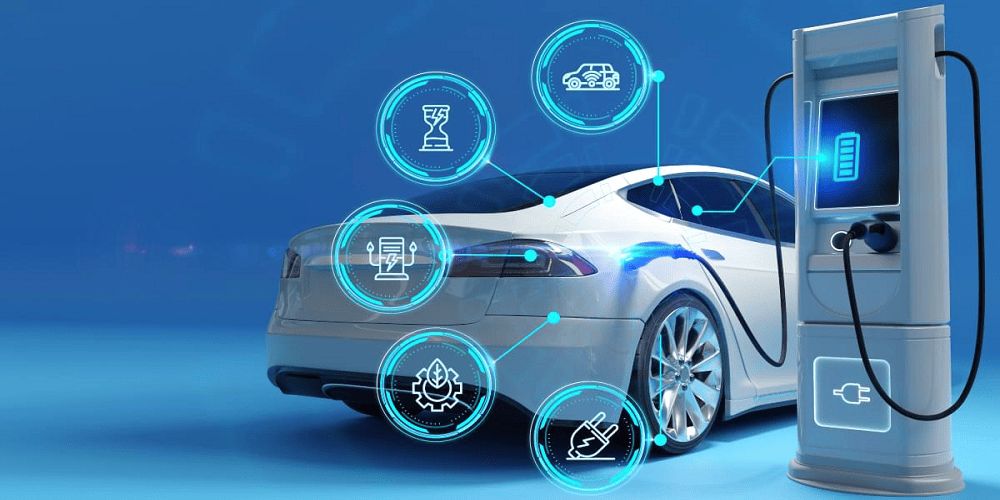
An electric car is a vehicle that runs fully or partially on electricity instead of traditional fossil fuels like petrol or diesel. Over the past decade, the electric car has moved from being a niche innovation to a mainstream transportation solution. Governments, automobile manufacturers, and consumers are increasingly adopting electric car technology due to rising fuel prices, environmental concerns, and rapid advancements in battery systems.
The global shift toward sustainable mobility has placed the electric car at the center of the automotive revolution. With lower emissions, reduced operating costs, and smoother driving performance, the electric car is redefining how people think about personal and commercial transportation.
What Is an Electric Car?
An electric car is powered by one or more electric motors that use energy stored in rechargeable batteries. Unlike internal combustion engine vehicles, an electric car does not require petrol or diesel to operate. Instead, it draws electricity from a battery pack, which can be charged at home, at public charging stations, or through fast-charging networks.
There are different types of electric car models available today, including fully electric vehicles and plug-in hybrid vehicles. Fully electric models rely solely on electricity, while plug-in hybrids combine an electric motor with a traditional engine. However, when people talk about an electric car, they usually mean a fully electric vehicle.
How an Electric Car Works
The working mechanism of an electric car is simpler than that of a conventional vehicle. Electricity stored in the battery flows to the electric motor, which then turns the wheels. The motor converts electrical energy into mechanical energy, allowing the electric car to move smoothly and quietly.
One key feature of an electric car is regenerative braking. When the driver applies brakes, the motor acts as a generator and converts kinetic energy back into electricity. This energy is stored in the battery, improving efficiency and extending driving range.
Key Components of an Electric Car
An electric car consists of several essential components that work together seamlessly. The battery pack is the most critical part, as it stores electrical energy required to power the vehicle. Lithium-ion batteries are the most common type used in modern electric car models due to their high energy density and long lifespan.
The electric motor provides instant torque, making acceleration quicker compared to traditional vehicles. The power electronics controller manages the flow of electricity between the battery and the motor. Additionally, the charging system allows the electric car to connect to external power sources for recharging.
Advantages of Owning an Electric Car
One of the biggest advantages of an electric car is its environmental benefit. Since an electric car produces zero tailpipe emissions, it significantly reduces air pollution and greenhouse gas emissions. This makes the electric car a cleaner alternative for urban and highway driving.
Another major advantage is lower running costs. Electricity is generally cheaper than petrol or diesel, making an electric car more affordable to operate in the long term. Maintenance costs are also lower because an electric car has fewer moving parts and does not require oil changes.
Electric Car Performance and Driving Experience
Driving an electric car offers a unique and enjoyable experience. Electric motors deliver instant torque, resulting in smooth and quick acceleration. This makes an electric car ideal for city driving and highway overtaking.
Noise levels are significantly lower in an electric car compared to conventional vehicles. The quiet operation enhances comfort and reduces noise pollution. Many drivers appreciate the smooth and vibration-free ride that an electric car provides.
Electric Car Charging Options
Charging is a crucial aspect of owning an electric car. There are multiple charging options available, depending on convenience and speed requirements. Home charging is the most common method, allowing owners to charge their electric car overnight using a standard or dedicated wall charger.
Public charging stations are increasingly available in cities, highways, and commercial areas. Fast chargers can charge an electric car up to 80 percent in a short period, making long-distance travel more practical.
Electric Car Range and Battery Life
Range anxiety has been a common concern among potential electric car buyers. However, modern electric car models offer impressive driving ranges that can easily meet daily commuting needs. Many electric car options now provide ranges exceeding 300 kilometers on a single charge.
Battery life is another important consideration. Most electric car manufacturers offer warranties on batteries, typically ranging from 8 to 10 years. With proper care, an electric car battery can last many years without significant performance loss.
Cost of Buying an Electric Car
The upfront cost of an electric car is often higher than that of a traditional vehicle. However, this cost difference is gradually decreasing as battery technology becomes more affordable. Government incentives, subsidies, and tax benefits further reduce the purchase price of an electric car in many regions.
When considering total cost of ownership, an electric car can be more economical due to lower fuel and maintenance expenses. Over time, these savings can offset the higher initial investment.
Electric Car vs Petrol and Diesel Cars
When comparing an electric car with petrol or diesel vehicles, several differences stand out. An electric car offers better energy efficiency, converting a higher percentage of energy into motion. Conventional vehicles lose a significant amount of energy as heat.
In terms of environmental impact, an electric car is far superior. While electricity generation may involve emissions, overall pollution levels are still lower compared to fossil fuel vehicles. This makes the electric car a more sustainable choice for the future.
Environmental Impact of an Electric Car
The adoption of electric car technology plays a vital role in combating climate change. By reducing reliance on fossil fuels, an electric car helps lower carbon emissions and improves air quality. This is particularly important in densely populated urban areas.
As renewable energy sources like solar and wind become more prevalent, the environmental benefits of an electric car will continue to grow. Charging an electric car using clean energy further enhances its sustainability.
Electric Car Infrastructure and Government Support
Governments around the world are actively promoting electric car adoption through supportive policies and infrastructure development. Charging networks are expanding rapidly, making it easier for consumers to own and operate an electric car.
Financial incentives such as subsidies, reduced registration fees, and tax exemptions encourage buyers to switch to an electric car. These measures are designed to accelerate the transition toward cleaner transportation.
Electric Car Technology Advancements
Continuous innovation is driving improvements in electric car technology. Advances in battery chemistry are leading to higher energy density, faster charging, and longer lifespan. Solid-state batteries are expected to revolutionize the electric car industry in the coming years.
Software integration is another area of progress. Many electric car models feature advanced connectivity, smart energy management, and over-the-air updates that enhance performance and user experience.
Electric Car Safety Features
Safety is a top priority in electric car design. Modern electric car models are equipped with advanced safety systems, including collision avoidance, adaptive cruise control, and lane assistance. The low center of gravity provided by battery placement improves vehicle stability.
Electric car manufacturers also conduct rigorous crash testing to ensure high safety standards. As a result, many electric car models achieve excellent safety ratings.
Challenges of Electric Car Adoption
Despite numerous benefits, electric car adoption faces certain challenges. Limited charging infrastructure in some areas can make ownership less convenient. Charging times are longer compared to refueling a petrol vehicle, although fast-charging technology is improving.
Another challenge is the perception of high cost and battery degradation. Educating consumers about long-term savings and battery warranties can help overcome these concerns.
The Future of Electric Car Industry
The future of the electric car industry looks promising. Major automotive manufacturers are investing heavily in electric car development, with plans to phase out internal combustion engines. As production scales up, electric car prices are expected to become more competitive.
Autonomous driving, artificial intelligence, and smart grids will further enhance the role of the electric car in future transportation systems. The electric car is set to become the standard mode of personal mobility.
Electric Car and Urban Mobility
Cities are increasingly adopting electric car solutions to reduce pollution and congestion. Electric car sharing programs and ride-hailing services are gaining popularity in urban areas. These initiatives make electric car access more affordable and convenient.
Urban planning is also adapting to support electric car usage, with dedicated charging zones and incentives for electric car owners.
Electric Car Ownership Experience
Owning an electric car is not just about transportation; it is a lifestyle choice. Electric car owners often enjoy the convenience of home charging and the satisfaction of contributing to a cleaner environment.
With continuous improvements in range, charging, and affordability, the electric car ownership experience is becoming more appealing to a wider audience.
FAQs About Electric Car
What is an electric car?
An electric car is a vehicle that uses electricity stored in batteries to power an electric motor instead of using petrol or diesel.
How far can an electric car go on a single charge?
The range of an electric car depends on the model and battery capacity. Many modern electric car models can travel over 300 kilometers on a single charge.
Is an electric car expensive to maintain?
No, maintaining an electric car is generally cheaper than maintaining a conventional vehicle because it has fewer moving parts and does not require oil changes.
How long does it take to charge an electric car?
Charging time varies based on the charger type. Home charging may take several hours, while fast chargers can charge an electric car up to 80 percent in under an hour.
Are electric cars safe?
Yes, an electric car is designed with advanced safety features and undergoes strict testing to meet safety standards.
Can an electric car be charged at home?
Yes, most electric car owners charge their vehicles at home using a standard or dedicated wall charger.
Is an electric car good for the environment?
An electric car produces zero tailpipe emissions, making it more environmentally friendly compared to petrol or diesel vehicles.
Will electric cars replace petrol cars in the future?
Many experts believe that the electric car will eventually replace petrol and diesel vehicles as technology advances and infrastructure improves.
Conclusion
The electric car represents a major shift in the automotive industry. With benefits such as lower emissions, reduced operating costs, and advanced technology, the electric car is shaping the future of transportation. As charging infrastructure expands and battery technology improves, the electric car will become an even more practical and accessible choice for consumers worldwide.
Leave A Comment
0 Comment