
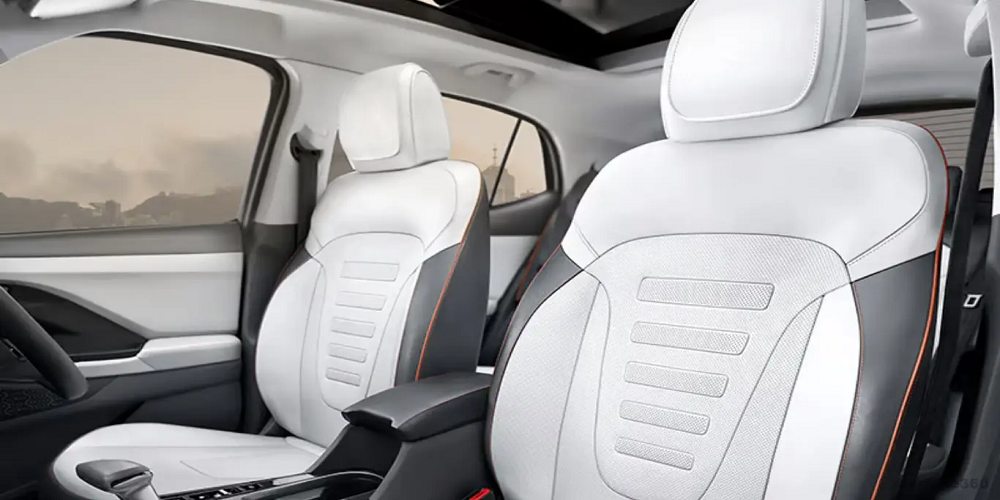
The Indian automotive market has a special place for the Hyundai Creta. For years, this compact SUV has dominated sales charts, not merely because of its reliability but due to Hyundai’s constant ability to reinvent the model with special editions. One such iteration that generated considerable buzz among enthusiasts and daily commuters alike is the Hyundai Creta Summer Edition. This variant was not just about slapping a few stickers onto a standard model. It was a calculated move by Hyundai to inject freshness into a popular nameplate during a season when families plan road trips and weekend getaways. The Hyundai Creta Summer Edition aimed to offer more value, subtle design tweaks, and features that appealed to the sun-soaked adventures of Indian summers. In this deep dive, we will explore every nuance of this special edition, from its exterior revisions to its interior practicality, and answer the most pressing questions potential buyers have.
The Concept Behind the Summer Edition
Before delving into specifications, it is essential to understand why Hyundai launched the Summer Edition. Typically, automakers release special editions to maintain showroom excitement without engineering an entirely new model. The Hyundai Creta Summer Edition was born from the need to counter the mid-cycle slump. When a model has been on sale for a few years, even a popular one like the Creta, buyers start looking elsewhere. By introducing the Summer Edition, Hyundai created a limited-run vehicle that felt exclusive. The keyword here is “summer.” The enhancements were designed to combat the harsh realities of Indian summers: scorching heat, long drives on hot asphalt, and the need for a cool, comfortable cabin. Therefore, the Hyundai Creta Summer Edition focused on elements like improved ventilation, sun-blocking features, and a vibrant color palette that resonated with the energy of the season.
Exterior Design Distinctions
At first glance, the Hyundai Creta Summer Edition did not reinvent the wheel, but it did offer enough visual flair to stand out from the regular variants. The most prominent change was the introduction of a new exterior shade. Hyundai often reserves specific colors for special editions, and for the Summer Edition, they introduced a lively, bright hue that evoked clear skies and sunny days. This color was complemented by blacked-out elements. The roof, for instance, was finished in a contrasting black shade, which is not just a stylistic choice but a practical one for summer. A black roof absorbs heat, but when combined with a lighter body color and a sunroof, it creates a dual-tone effect that screams modernity. Additionally, the Hyundai Creta Summer Edition received unique decals on the flanks and the hood. These were not overbearing racing stripes but subtle, geometric patterns that mimicked sun rays or ocean waves, depending on how you looked at them. The alloy wheels were also upgraded to a darker, diamond-cut finish, reducing the visible brake dust and giving the SUV a more premium stance. The front grille, while retaining the signature cascading design, received dark chrome inserts. Even the headlamps got a smoked treatment, which, while purely aesthetic, added to the aggressive summer persona. Rear bumper guards with silver inserts and a tailgate-mounted spoiler completed the exterior package, making the Hyundai Creta Summer Edition look ready for a coastal highway cruise.
Interior Enhancements for Hot Climates
Stepping inside the Hyundai Creta Summer Edition, the changes became more functional. The most talked-about feature was the ventilated seats. In the standard Creta, ventilated seats were reserved for the top-end trims, but the Summer Edition brought them to a more accessible price point. This was a game-changer for buyers in places like Rajasthan, Tamil Nadu, or Gujarat, where seat temperatures can become unbearable. The ventilation system, which uses small fans inside the seat cushions, worked surprisingly well, pulling hot air away from the body. The upholstery was also swapped. Instead of the usual all-black or beige interiors, the Hyundai Creta Summer Edition featured a two-tone grey and white leatherette material. White reflects sunlight far better than black, so the cabin remained cooler even when parked outside. Of course, white upholstery requires more maintenance, but Hyundai argued that summer is about lightness and airiness. The dashboard received subtle aqua or blue accents, reminiscent of swimming pools or cool drinks. The steering wheel was wrapped in perforated leather to improve grip during sweaty palm conditions. Another thoughtful addition was the sunshade curtains for the rear windows. These were not aftermarket add-ons but factory-fitted, pull-up blinds that significantly reduced the greenhouse effect inside the car. Combined with the panoramic sunroof that came with a thicker, heat-blocking fabric, the Hyundai Creta Summer Edition managed to keep the cabin several degrees cooler than the standard model. The air conditioning system was also recalibrated. Hyundai claimed that the compressor in the Summer Edition cycles faster at lower engine RPMs, ensuring that even in bumper-to-bumper traffic under a blazing sun, the AC throws out chilled air without bogging down the engine.
Performance and Mechanicals
Under the hood, the Hyundai Creta Summer Edition did not receive any mechanical modifications. It carried forward the same reliable engine options as the standard Creta. This meant buyers could choose between the 1.5-litre naturally aspirated petrol engine producing 115 bhp, the 1.5-litre diesel engine churning out 115 bhp and 250 Nm of torque, or the sportier 1.4-litre turbo-petrol engine that delivered 140 bhp. The rationale was simple: the Creta’s existing powertrains were already proven in Indian summers. The diesel engine, in particular, is known for its robust cooling system and ability to run the AC at full blast without a noticeable drop in performance. The Hyundai Creta Summer Edition continued with the same six-speed manual, six-speed torque converter automatic, and seven-speed DCT options depending on the engine chosen. However, Hyundai did make one under-the-skin change: the coolant mixture ratio was adjusted for better heat dissipation, and the radiator fan was upgraded to a high-speed unit. This was a silent update that improved the car’s ability to handle extended idling in high ambient temperatures. The suspension remained the same MacPherson strut front and torsion beam rear setup, but the Summer Edition came with a slight increase in ground clearance. While official figures remained at 190mm, the spring rates were softened marginally to improve ride comfort over heat-distorted asphalt patches. This meant the Hyundai Creta Summer Edition felt slightly more plush over broken roads, a common sight during Indian summer months when road surfaces crack under thermal expansion.
Technology and Connectivity
In terms of features, the Hyundai Creta Summer Edition was packed to the brim. It retained the 10.25-inch touchscreen infotainment system with Apple CarPlay and Android Auto, but the software received a summer-specific update. The screen displayed a widget for real-time UV index and outside temperature, and the Blue Link connected car technology added a new “Summer Care” remote function. Through the Blue Link app, owners could remotely start the AC, lower the windows slightly to let hot air escape before entering, and even get alerts if the in-car temperature exceeded a certain threshold. The Hyundai Creta Summer Edition also featured a larger wireless phone charger with a cooling fan inside the charging pad. This prevented smartphones from overheating while charging, a common annoyance in regular cars. The instrument cluster, which is a 7-inch digital unit, gained a new “Summer Drive” theme that replaced the usual blue graphics with warm orange and yellow hues. Another smart addition was the smart air purifier with a real-time PM 2.5 display. During Indian summers, dust storms and dry winds often degrade air quality. The purifier in the Hyundai Creta Summer Edition was integrated into the center armrest and included a fragrance diffuser that could emit a mild, citrus-based scent. This was not just a gimmick; it actually helped mask the smell of hot plastic and leather that often permeates cars parked under direct sunlight.
Pricing and Variant Positioning
Hyundai positioned the Summer Edition as a mid-to-top tier variant. It was not a replacement for the base models but rather an upgrade over the SX and SX(O) trims. The pricing strategy was aggressive. The Hyundai Creta Summer Edition was launched at a premium of approximately thirty to forty thousand rupees over the equivalent standard trim. For that premium, buyers received the ventilated seats, sunshades, dual-tone paint, special upholstery, and the upgraded cooling system. Considering that aftermarket installation of ventilated seats alone costs nearly twenty-five thousand rupees, the Summer Edition offered good value. Hyundai also bundled a summer accessories kit, which included a portable cooler box that plugs into the 12V socket, a windshield sun shade, and a set of UV-protective window films. These films were pre-approved by the RTO to avoid legal hassles. The Hyundai Creta Summer Edition was available in both petrol and diesel, but the 1.4-litre turbo-petrol version was offered only in a limited number of units. Hyundai produced the Summer Edition for a limited window, typically from March to June, aligning with the actual summer season. Once stocks ran out, the edition was discontinued, which added to its collectible appeal.
Real-World Driving Experience in Summer Conditions
To truly appreciate the Hyundai Creta Summer Edition, one must drive it on a typical Indian summer afternoon. Imagine the temperature outside showing 42 degrees Celsius on the dashboard. You approach the car, and instead of opening the door to a furnace, you use the Blue Link app to start the engine and AC. By the time you sit inside, the cabin is merely warm, not scorching. You sit on the ventilated seats, and within thirty seconds, your back and thighs feel cool. The sunshades on the rear windows keep the rear seat passengers comfortable, and the panoramic sunroof’s thick shade blocks the direct heat while still allowing some ambient light. The AC’s automatic climate control does not struggle. It reaches the set temperature quickly and maintains it without constant fan noise. On the highway, the Hyundai Creta Summer Edition feels stable. The tires, which are MRF Wanderer or similar all-season rubber, are not overly soft, so they do not feel greasy on hot tarmac. The engine does not overheat, even when climbing long inclines with a full load of passengers and luggage. The only downside noticed by some owners was that the white upholstery showed dirt and sweat stains more easily. However, Hyundai included a fabric cleaner in the accessory kit. Another observation was that the black roof, despite looking sporty, did make the car’s interior slightly warmer if parked for over four hours in direct sunlight. But the combination of the sunroof shade and the ventilated seats mitigated this issue.
How It Compares to Rivals
The compact SUV segment in India is fiercely competitive, with the Kia Seltos, Maruti Grand Vitara, and Honda Elevon being the main rivals. The standard Creta already leads the pack, but the Summer Edition aimed to fend off challengers. The Kia Seltos offers ventilated seats in its top trims, but it does not have a dedicated summer package with sunshades and a UV index display. The Maruti Grand Vitara’s strong hybrid gives excellent fuel efficiency, but its air conditioning system, while effective, lacks the remote cooling features of the Hyundai Creta Summer Edition. The Honda Elevon has a quieter cabin but does not offer a factory-fitted sunshade for rear windows. Where the Hyundai Creta Summer Edition truly shined was in the details. The phone charger with a cooling fan, the citrus fragrance diffuser, and the real-time UV monitor were features no rival offered at that price point. Also, Hyundai’s service network is more widespread, especially in smaller towns where summer temperatures are even more extreme. So, for a buyer who prioritizes comfort during the hottest months, the Summer Edition was a compelling choice.
Long-Term Ownership and Resale Value
Since the Hyundai Creta Summer Edition is a limited-run model, its resale value is an interesting topic. Standard Cretas hold their value exceptionally well, often commanding seventy percent of their price after three years. The Summer Edition, being rarer, might fetch a slight premium in the used car market, provided the white upholstery has been kept clean and the special decals are intact. However, mechanical parts are identical to the standard Creta, so there is no issue with serviceability. Hyundai dealerships treat the Summer Edition like any other Creta for repairs and maintenance. The only unique parts are the seat covers, the sunshade curtains, and the decals. If these get damaged, they are available only as spare parts and are slightly more expensive than standard items. Owners should also note that the high-speed radiator fan, while effective, is noisier than the standard fan. This is not a defect but a design choice to move more air. The Hyundai Creta Summer Edition’s long-term reliability is on par with the standard car, which is to say excellent. The 1.5-litre diesel and petrol engines have proven track records, and the upgraded cooling system actually reduces stress on the engine in hot climates.
Common Owner Complaints and Praises
No car is perfect, and the Hyundai Creta Summer Edition has its share of owner feedback. On the positive side, owners consistently praise the ventilated seats. Many say they cannot go back to a car without them after experiencing the Summer Edition. The effectiveness of the sunshade curtains and the quick cooling AC are also frequently mentioned. The dual-tone paint scheme receives compliments from strangers at parking lots. On the negative side, the white leatherette seats are a headache for families with young children. Mud, chocolate, and sweat leave marks that require immediate cleaning. Some owners also feel that the car’s ride quality, while comfortable, is slightly bouncier at high speeds due to the softened spring rates. A few have reported that the citrus fragrance diffuser runs out of oil quickly and that refills are not widely available. Another minor gripe is that the black roof shows dust and water spots very clearly, requiring more frequent washes. Nevertheless, the overall ownership satisfaction rate for the Hyundai Creta Summer Edition remains high, with most owners stating they would buy it again.
Conclusion: Is It Worth Finding a Used One?
As of today, the Hyundai Creta Summer Edition is no longer in production, but used examples can be found on the market. For a buyer looking for a pre-owned compact SUV, the Summer Edition represents a good deal if the premium over a standard Creta is not too high. The unique summer-specific features are not just marketing fluff; they genuinely improve comfort in hot weather. However, one must inspect the condition of the white upholstery and ensure that the ventilated seat fans are working properly, as repairing them can be costly. The car is best suited for buyers in hot, sunny regions like central and south India. If you live in a cooler, hilly area, the standard Creta might be a better choice as you would not use the summer features often. In conclusion, the Hyundai Creta Summer Edition was a well-executed special variant that addressed a genuine need. It proved that Hyundai listens to its customers and understands the local driving conditions. For a few months each year, it gave buyers a reason to celebrate the sun rather than hide from it.
Frequently Asked Questions About the Hyundai Creta Summer Edition
What exactly is the Hyundai Creta Summer Edition?
The Hyundai Creta Summer Edition is a limited-production variant of the standard Hyundai Creta, launched specifically to offer enhanced comfort and convenience features for hot weather driving. It includes ventilated seats, factory-fitted rear window sunshades, a dual-tone exterior paint scheme with a black roof, white and grey leatherette upholstery, a recalibrated air conditioning system with a high-speed radiator fan, and unique Blue Link connected car features like remote AC start and a UV index display.
Does the Hyundai Creta Summer Edition have any engine changes compared to the regular Creta?
No, there are no fundamental changes to the engine or transmission. The Hyundai Creta Summer Edition uses the same 1.5-litre petrol, 1.5-litre diesel, and 1.4-litre turbo-petrol engines as the standard model. However, the cooling system components, including the radiator fan and coolant mixture, have been upgraded for better heat dissipation in summer conditions. The suspension spring rates are also marginally softer for improved ride comfort on heat-damaged roads.
How much extra did the Hyundai Creta Summer Edition cost over the standard variant?
At the time of launch, the Hyundai Creta Summer Edition commanded a premium of approximately thirty thousand to forty thousand rupees over the equivalent standard SX or SX(O) trim. This premium included the ventilated seats, sunshades, dual-tone paint, special interior upholstery, and a summer accessories kit comprising a portable cooler box, windshield sun shade, and UV-protection window films.
Are the ventilated seats in the Hyundai Creta Summer Edition effective?
Yes, the ventilated seats are highly effective. They use a built-in fan system that pulls hot air away from the occupant’s body and circulates cabin-cooled air. Most owners report that the seats become noticeably cool within thirty seconds of activation. The system works independently of the main air conditioning, though using both together provides the best comfort.
Can I still buy a new Hyundai Creta Summer Edition from a dealership?
No, the Hyundai Creta Summer Edition was a seasonal, limited-run model. It was typically available only between March and June of a given year. Once existing stocks are sold, Hyundai does not produce more until the next summer season, and even then, the features may change. As of now, you can only find used examples on the second-hand market. You should check with local Hyundai dealerships for any upcoming summer special editions.
Is the white upholstery in the Hyundai Creta Summer Edition difficult to maintain?
Yes, the white and grey leatherette upholstery requires more frequent cleaning than the standard black or beige interiors. It shows dirt, sweat stains, and dye transfer from jeans more easily. However, Hyundai included a fabric cleaner in the summer accessory kit. Many owners also opt for aftermarket seat covers to protect the original upholstery, though this defeats the purpose of the ventilated seat function, as covers can block airflow.
Does the Hyundai Creta Summer Edition’s black roof make the car hotter inside?
The black roof does absorb more heat than a white roof, which can marginally increase the cabin temperature when the car is parked for long periods under direct sunlight. However, the effect is mitigated by the thick, heat-blocking fabric of the panoramic sunroof blind and the powerful air conditioning system. During driving, the difference in cabin temperature compared to a single-tone Creta is negligible.
What is the fuel efficiency of the Hyundai Creta Summer Edition?
Since the mechanicals are identical to the standard Creta, the fuel efficiency remains the same. The 1.5-litre petrol manual returns around 16 to 17 kmpl on the highway and 13 to 14 kmpl in the city. The 1.5-litre diesel manual gives approximately 21 to 22 kmpl on the highway and 17 to 18 kmpl in the city. The automatic and turbo-petrol versions have slightly lower figures. The upgraded radiator fan does not impact fuel economy noticeably.
Are spare parts for the Hyundai Creta Summer Edition readily available?
Most mechanical and electrical parts are shared with the standard Creta, so they are widely available. However, the specific Summer Edition parts like the special decals, the rear sunshade curtains, and the white leatherette seat covers are limited. Hyundai dealerships do stock them as spare parts, but they may take longer to arrive and cost more than standard parts. The high-speed radiator fan is also a unique part but is generally kept in inventory.
Is the Hyundai Creta Summer Edition a good choice for a used car purchase?
Yes, provided you inspect the condition of the ventilated seats and the white upholstery. The car offers genuine added value over a standard Creta if you live in a hot climate. Check that all Blue Link features are working, especially the remote AC start. Also, verify that the sunshade curtains roll up and down smoothly. If the price premium over a similarly aged standard Creta is less than fifty thousand rupees, the Summer Edition is a good buy. Avoid units with heavily stained seats or non-functional seat ventilation.
Leave A Comment
0 Comment