
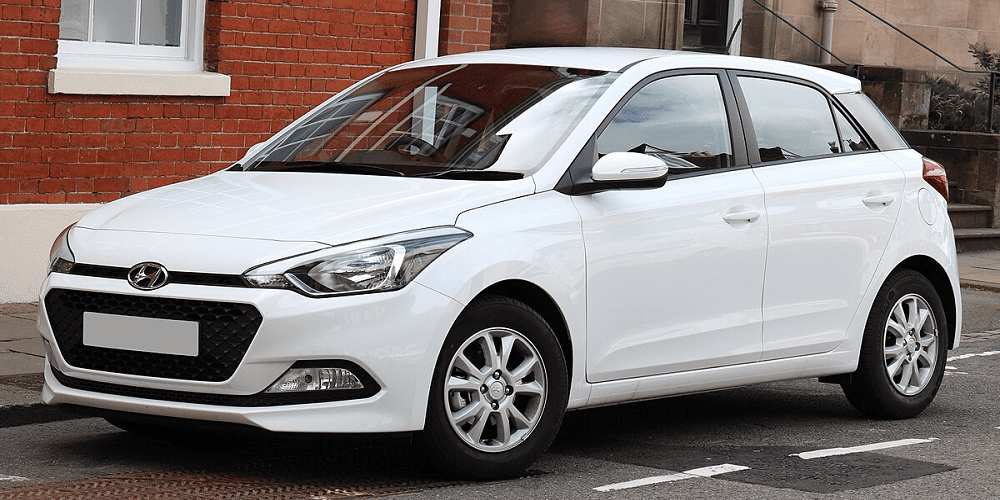
The Hyundai i20 is a name that immediately strikes a chord with car enthusiasts and everyday commuters alike. Known for its stylish looks, feature-rich cabin, and reliable performance, the Hyundai i20 continues to be one of the top premium hatchbacks in the market. Over the years, Hyundai has constantly evolved the i20 to meet modern demands without compromising on the original charm that made it a bestseller. In this detailed guide, we will dive deep into the Hyundai i20’s features, specifications, performance, variants, and much more.
A Brief History of Hyundai i20
The Hyundai i20 was first introduced in 2008 as a replacement for the Hyundai Getz. It quickly became popular across global markets, especially in India and Europe. Over time, it went through multiple generations, each bringing improved design language, better technology, and stronger performance figures. The i20 has consistently set benchmarks in the premium hatchback segment, competing fiercely with rivals like the Maruti Suzuki Baleno, Tata Altroz, and Honda Jazz.
The third-generation Hyundai i20, launched recently, brought in a bold new design based on Hyundai’s ‘Sensuous Sportiness’ philosophy, elevating its premium appeal.
Design and Exterior
The Hyundai i20 is a head-turner in every sense. The front fascia is dominated by a large cascading grille, sharp LED headlamps, and aggressive cuts and creases that lend the car a sporty character. The side profile remains elegant yet dynamic with stylish 16-inch diamond-cut alloy wheels and a floating roof design that adds to its visual drama.
At the rear, the Z-shaped LED tail lamps connected with a chrome strip enhance the width and offer a premium look. From urban streets to highway runs, the i20 holds its charm and gets noticed wherever it goes.
Interior and Comfort
Step inside the Hyundai i20 and you are welcomed by a cabin that feels upmarket and thoughtfully designed. The dashboard has a clean layout, highlighted by a large touchscreen infotainment system and fully digital instrument cluster in higher variants.
The use of premium materials, a dual-tone theme in select models, leather-wrapped steering, and ambient lighting (in some variants) make the cabin feel much more expensive than the car’s price tag suggests.
The front seats offer good bolstering and support for long journeys. Rear seat comfort is commendable too, with sufficient legroom and headroom for adult passengers. Hyundai has ensured that the i20's interior feels practical as well, offering plenty of cubby holes, a large glove box, and generous boot space for a hatchback.
Technology and Features
One of the strongest USPs of the Hyundai i20 is its feature-rich package. Even the mid-variants are generously loaded, and the top trims offer technology that rivals cars from a segment above.
Some notable features include:
- A large 10.25-inch touchscreen infotainment system
- Apple CarPlay and Android Auto connectivity
- Bose Premium 7-speaker sound system
- Connected car technology (Hyundai Bluelink)
- Wireless phone charger with cooling function
- Sunroof
- Ambient lighting
- Cruise control
- Push-button start-stop system
- Voice command system
Hyundai has packed the i20 with technology that not only enhances convenience but also makes driving a more enjoyable and luxurious experience.
Performance and Engine Options
The Hyundai i20 offers multiple engine options to cater to different types of drivers.
- 1.2-litre naturally aspirated petrol engine – This is for those who prefer relaxed, fuel-efficient driving. It delivers a smooth and refined performance perfect for city commuting.
- 1.0-litre turbocharged petrol engine – This is the choice for enthusiasts who seek more punch from their hatchback. The turbo variant is quick, peppy, and fun to drive, especially on highways.
- 1.5-litre diesel engine – This option ensures a torque-rich and fuel-efficient performance for long-distance travelers.
The transmission choices include a 5-speed manual, 6-speed iMT (Intelligent Manual Transmission), IVT (Intelligent Variable Transmission), and a 7-speed DCT (Dual Clutch Transmission).
The i20 is tuned to offer a balance between ride comfort and handling dynamics. Whether you are navigating city traffic or cruising on highways, the Hyundai i20 feels composed and confidence-inspiring.
Safety Features
Hyundai has placed a strong emphasis on safety in the new i20. Key safety features include:
- Six airbags (in top variants)
- ABS with EBD
- Electronic Stability Control (ESC)
- Hill Assist Control (HAC)
- Rear parking sensors and camera
- ISOFIX child seat mounts
- Tyre Pressure Monitoring System (TPMS)
These features ensure that both the driver and passengers remain protected in various driving conditions.
Fuel Efficiency
The Hyundai i20 offers respectable mileage figures across its engine options.
- The naturally aspirated petrol engine delivers around 20 to 21 kmpl
- The turbo petrol variant offers slightly lower mileage at around 18 to 20 kmpl
- The diesel variant is the most efficient, delivering around 24 to 25 kmpl
Real-world mileage depends on driving style, traffic conditions, and maintenance, but overall, the i20 remains a fuel-efficient premium hatchback.
Variants and Pricing
The Hyundai i20 comes in multiple variants like Magna, Sportz, Asta, and Asta (O), catering to a wide range of budgets and feature requirements. Prices vary depending on the engine and transmission options selected.
While the base variants are attractively priced for buyers looking for essential features, the top-end variants compete directly with compact SUVs in terms of pricing and features.
Pros and Cons of Hyundai i20
Pros:
- Striking exterior design
- Premium and spacious interiors
- Feature-loaded even in mid variants
- Multiple engine and gearbox options
- Good ride and handling balance
Cons:
- Top variants can be expensive
- Turbo variants could offer slightly better fuel economy
- Some may prefer SUVs at similar pricing
Why Hyundai i20 Stands Out
The Hyundai i20 offers the perfect blend of style, features, safety, and performance, making it a strong contender in the premium hatchback space. Whether you are a young professional, a small family, or a car enthusiast, the i20 caters to all kinds of buyers with its versatile offerings.
Its refined engines, modern design language, tech-loaded cabin, and the trust of the Hyundai brand ensure that it remains a preferred choice for thousands of customers.
FAQs About Hyundai i20
Q1. What is the starting price of Hyundai i20?
The starting price of Hyundai i20 varies by city and variant but generally starts around Rs. 7 lakh (ex-showroom).
Q2. Does Hyundai i20 come with a sunroof?
Yes, the Hyundai i20 offers an electric sunroof in its higher variants like Asta and Asta (O).
Q3. Is Hyundai i20 available in diesel?
Yes, Hyundai i20 is available with a 1.5-litre diesel engine option.
Q4. Which transmission options are available in Hyundai i20?
The i20 comes with manual transmission, IVT (CVT), iMT, and 7-speed DCT options depending on the engine choice.
Q5. How many airbags are available in Hyundai i20?
The higher variants of Hyundai i20 offer up to six airbags, including dual front, side, and curtain airbags.
Q6. What is the boot space of Hyundai i20?
The Hyundai i20 offers a boot space of around 311 litres, which is quite generous for a hatchback.
Q7. Does Hyundai i20 have connected car technology?
Yes, it features Hyundai’s Bluelink connected car technology in its top variants.
Q8. How good is the fuel efficiency of Hyundai i20?
The Hyundai i20 offers a mileage ranging from 18 to 25 kmpl, depending on the engine and transmission variant.
Q9. Is the Hyundai i20 good for long drives?
Yes, the Hyundai i20 offers good ride quality, refined engines, and ample features, making it comfortable for long journeys.
Q10. How is the performance of the Hyundai i20 turbo variant?
The 1.0-litre turbocharged petrol variant of the Hyundai i20 delivers a peppy and energetic performance, making it ideal for enthusiasts.
Leave A Comment
0 Comment