
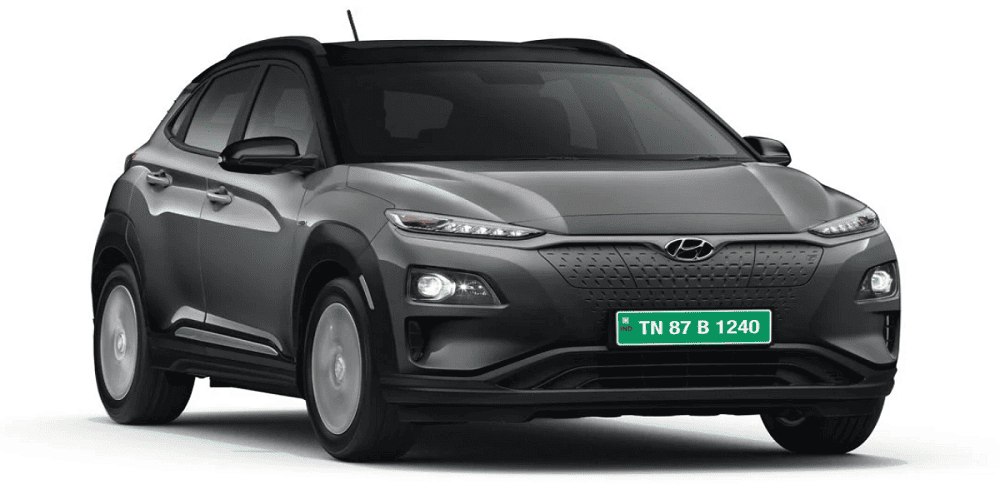
The Hyundai Kona Electric is one of the most sought-after electric SUVs in the global EV market. With its eye-catching design, impressive range, tech-rich interiors, and zero-emissions promise, it stands as a testament to Hyundai’s innovation and commitment to sustainable mobility. Whether you're an eco-conscious driver or a tech-savvy commuter, the Kona Electric brings a lot to the table.
This gluster explores everything about the Hyundai Kona Electric — from its features and performance to pricing, advantages, and what makes it stand out in the electric vehicle (EV) space.
1. Introduction to Hyundai Kona Electric
The Hyundai Kona Electric was first introduced in 2018 as one of the early compact electric SUVs. It quickly garnered attention thanks to its practicality, comfort, and long-range capability. Hyundai aimed to create a vehicle that combines the strengths of an SUV with the efficiency of an electric drivetrain — and the Kona Electric does exactly that.
With a fresh facelift and technological upgrades in recent models, it continues to be a competitive player against the likes of Tesla Model Y, MG ZS EV, Tata Nexon EV, and others.
2. Key Specifications of the Hyundai Kona Electric
- Battery Capacity: 39.2 kWh or 64 kWh (depending on the variant)
- Electric Motor: Permanent Magnet Synchronous Motor (PMSM)
- Power Output: Up to 201 hp (for the larger battery)
- Torque: 395 Nm
- Range (WLTP): Up to 484 km on a single charge
- Top Speed: 167 km/h
- 0-100 km/h Acceleration: 7.6 seconds
- Charging Time (Fast Charger): 0-80% in about 47 minutes
- Charging Time (Home Charger): 6–10 hours depending on power source
These figures make it one of the most practical options in the compact electric SUV category.
3. Design and Exterior Styling
The Hyundai Kona Electric boasts a bold and futuristic design. The closed grille up front distinguishes it from its petrol counterpart, while its LED headlamps and DRLs add a high-tech feel. The sleek character lines, roof rails, and aerodynamic bodywork enhance both aesthetics and efficiency.
Unique to electric vehicles, the Kona Electric’s front bumper and grille are designed to reduce drag, aiding in better range. The alloy wheels are also aerodynamically optimized.
Color options are vibrant and modern, including choices like Phantom Black, Polar White, Titan Grey, and Fiery Red.
4. Interior Comfort and Features
Step inside the Hyundai Kona Electric, and you’re welcomed into a cabin that feels both premium and tech-forward. The cabin is spacious for a subcompact SUV and can comfortably seat five passengers.
Key interior highlights include:
- 10.25-inch digital instrument cluster
- 10.25-inch touchscreen infotainment with Android Auto & Apple CarPlay
- Wireless charging pad
- Leather-wrapped steering wheel and seats (in higher trims)
- Dual-zone automatic climate control
- Heated and ventilated front seats
- Ample boot space of 332 litres
The layout is clean and intuitive, offering a clutter-free experience that aligns with the EV's futuristic appeal.
5. Performance and Driving Dynamics
The Hyundai Kona Electric is not just about zero emissions — it's also about zippy, smooth performance. Thanks to the electric motor’s instant torque delivery, it feels quick off the line. Whether you're driving through city streets or cruising on highways, it offers a responsive and composed ride.
Its low center of gravity (due to the battery pack mounted beneath the floor) helps in handling and stability. The regenerative braking system is customizable, allowing drivers to set the level of deceleration when they lift off the accelerator.
Drive modes such as Eco, Comfort, Sport, and Eco+ allow further customization of the driving experience, adapting throttle response and battery usage accordingly.
6. Charging Infrastructure and Options
Charging is often a major concern for potential EV buyers, but the Hyundai Kona Electric simplifies this.
- DC Fast Charging (50kW): 0–80% in 47–60 minutes
- AC Home Charging (7.2kW): 6 hours 10 minutes (for 39.2kWh variant)
- Standard 3-pin Plug (2.8kW): Around 19 hours
Hyundai provides a portable charger and can assist in setting up a home charging point. Also, the growing public charging infrastructure in cities is making EV ownership easier.
7. Range Anxiety? Not with the Kona Electric
The top variant of the Hyundai Kona Electric offers up to 484 kilometers of range on a single charge (WLTP cycle), making it a reliable choice for both urban and semi-long-distance travel.
In real-world driving, expect around 350–400 km, depending on traffic conditions, air conditioning usage, and driving style. Hyundai has also optimized the vehicle’s energy consumption through aerodynamic design and regenerative braking.
8. Safety and Driver Assistance
Safety is a major highlight of the Kona Electric. Hyundai equips the vehicle with a suite of features to ensure a secure drive.
Safety features include:
- 6 Airbags
- ABS with EBD
- Vehicle Stability Management (VSM)
- Hill-start Assist Control
- Rear Camera with Guidelines
- Rear Parking Sensors
- ISOFIX Child Seat Anchors
- Tyre Pressure Monitoring System (TPMS)
Advanced safety features like Blind-spot Monitoring, Lane Keep Assist, Autonomous Emergency Braking, and Adaptive Cruise Control are available in international variants and are expected to be offered in more regions soon.
9. Pricing and Variants
The Hyundai Kona Electric is priced competitively in its segment. In India, it is available in a single trim with minor customizable options.
Indicative Price (India): ?23.84 lakh – ?24.03 lakh (ex-showroom)
Global Price Range: $33,500 – $42,500 depending on variant and region
Though priced at a premium compared to ICE vehicles, Kona Electric owners save substantially on fuel and maintenance in the long run.
10. Ownership Cost and Savings
Electric vehicles generally have fewer moving parts than internal combustion engine vehicles, meaning less frequent servicing and lower maintenance costs.
Estimated Savings:
- Zero fuel costs — ?3–?5/km saving over petrol cars
- Lower maintenance costs — no oil changes, fewer parts to replace
- Government subsidies (FAME II in India, federal and state-level credits in the US/EU)
Additionally, Hyundai offers an 8-year/160,000 km battery warranty, which boosts buyer confidence.
11. How It Compares to Competitors
In the current market, Hyundai Kona Electric competes with:
- MG ZS EV
- Tata Nexon EV Max
- BYD Atto 3
- Kia EV6 (in premium segment)
- Tesla Model Y (globally)
Why Kona stands out:
- Better range than most budget EVs
- Superior fit and finish
- Hyundai’s vast service network
- Proven track record since 2018
- Compact yet premium appeal
12. Updates and Future Expectations
The upcoming versions of the Hyundai Kona Electric are expected to include:
- Larger infotainment displays
- More ADAS features
- Improved range
- More premium materials
- OTA (Over-the-Air) software updates
The 2024 facelift seen in international markets brings a sleeker look, enhanced tech, and even better efficiency — likely to reach more global markets soon.
13. Ideal Buyer Profile
The Hyundai Kona Electric is suitable for:
- Urban professionals wanting to switch to electric
- Families seeking a compact SUV
- Environmentally-conscious buyers
- Long-distance commuters (with charging options)
- Tech-savvy drivers
14. Pros and Cons of Hyundai Kona Electric
Pros:
- Long electric range
- Zippy performance
- Premium and spacious cabin
- Loaded with features
- Excellent safety rating
- Lower running costs
Cons:
- High initial price
- Limited rear-seat legroom
- Charging infrastructure still improving
- Boot space is average
15. Hyundai's Commitment to EVs
Hyundai has set aggressive goals for EV expansion. The Kona Electric is just one of several models — with others like the Hyundai Ioniq 5, Ioniq 6, and future EV SUVs under the E-GMP platform. The company is also investing in hydrogen fuel cell technology.
By 2030, Hyundai aims to become one of the top EV manufacturers globally, with a strong product lineup across all vehicle segments.
Conclusion
The Hyundai Kona Electric is a perfect bridge between traditional motoring and a clean, electric future. It offers practicality, range, performance, and modern aesthetics in a compact SUV package. With governments promoting EV adoption and infrastructure steadily improving, the Kona Electric stands as a future-ready vehicle that doesn’t compromise on comfort or performance.
Whether you're upgrading from an ICE vehicle or buying your first EV, the Hyundai Kona Electric deserves a top spot on your consideration list. It delivers on all fronts — sustainability, style, and smart driving.
Frequently Asked Questions (FAQs)
Q1. What is the real-world range of the Hyundai Kona Electric?
A: In real-world driving conditions, the Kona Electric typically delivers between 350–400 km per charge, depending on driving style and usage.
Q2. How long does it take to charge the Kona Electric at home?
A: Using a 7.2kW AC charger, it takes about 6–10 hours to fully charge, while a standard 3-pin plug may take around 19 hours.
Q3. Is the Hyundai Kona Electric suitable for long-distance travel?
A: Yes, with a range of up to 484 km and fast-charging support, it can handle long-distance journeys with planned charging stops.
Q4. Does the Kona Electric come with a sunroof?
A: Some variants of the Hyundai Kona Electric do include an electric sunroof, depending on the market.
Q5. What is the warranty on the Hyundai Kona Electric battery?
A: Hyundai offers an 8-year/160,000 km warranty on the lithium-ion polymer battery.
Q6. How much does it cost to run the Hyundai Kona Electric per km?
A: Depending on local electricity tariffs, it costs around ?0.80–?1.20 per km, which is significantly lower than petrol or diesel vehicles.
Q7. Can I charge the Kona Electric at public charging stations?
A: Yes, the Kona Electric supports CCS fast charging and can be charged at compatible public EV charging stations.
Q8. What is the boot space of the Kona Electric?
A: The boot offers around 332 litres of space, adequate for small families and daily needs.
Leave A Comment
0 Comment