
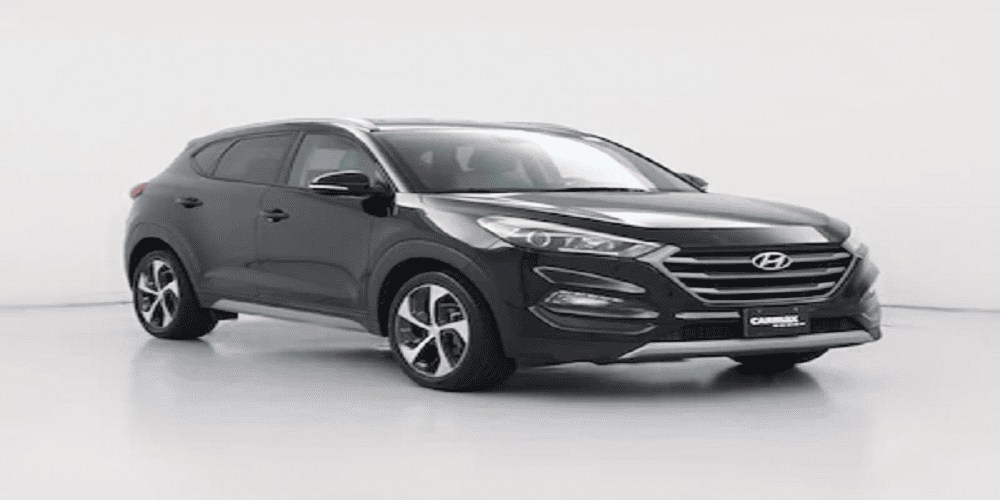
Buying a used SUV can be a smart move for people who want comfort, safety, and versatility without paying new car prices. Among the many options in the market, the Hyundai Tucson stands out as a solid choice. Known for its reliability, modern styling, and strong value for money, the Tucson is popular among first-time buyers, families, and commuters alike.
If you are considering a Hyundai Tucson used, this detailed guide will walk you through everything you need to know: the best model years, what to inspect, common issues, prices, and tips for a safe purchase.
Why the Hyundai Tucson is a Good Used SUV
The Hyundai Tucson has earned a loyal fan base since its debut in 2004. Over time, it has evolved from a simple compact SUV to a stylish, feature-rich crossover that competes well with other big names. Here are some reasons why buyers look for a used Tucson:
1. Cost Savings
New vehicles lose a big chunk of their value in the first few years. Buying used lets you skip this steep depreciation. This means you get more SUV for your money.
2. Proven Dependability
Hyundai has improved its quality a lot over the years. Recent Tucsons are known for their solid build, low maintenance costs, and long service life when taken care of properly.
3. Modern Features at Lower Cost
Even Tucsons that are five or six years old come with touchscreen displays, backup cameras, Bluetooth, and decent safety tech. This helps you enjoy modern conveniences without paying the premium price of a new car.
4. Comfort and Practicality
The Tucson has roomy seating for up to five, a user-friendly interior layout, and decent cargo space. It is comfortable for both city driving and weekend trips.
A Look at Tucson Generations
To choose wisely, it helps to understand how the Tucson has changed over the years. Let’s break it down by generation.
First Generation (2004–2009)
The first-generation Tucson was a basic compact SUV with functional styling and a practical cabin. It came with a 2.0-liter four-cylinder or an optional 2.7-liter V6 engine. Though not very powerful, it offered decent off-road ability for its size. It is very affordable today but lacks modern tech.
Second Generation (2010–2015)
This version saw big improvements in looks, fuel efficiency, and interior quality. Hyundai gave it a more rounded design, better materials, and updated engines (2.0-liter or 2.4-liter). Many buyers find this generation to be a sweet spot for low price and acceptable features.
Third Generation (2016–2020)
This generation looks more upscale, with a bold exterior, improved safety ratings, and options like a turbocharged 1.6-liter engine. It has modern infotainment, better crash scores, and advanced driver aids on higher trims.
Fourth Generation (2021–Present)
With dramatic styling, larger dimensions, and hybrid options, the latest Tucson feels like a leap forward. Buying a nearly-new fourth-generation used model can save you thousands compared to buying new. These often have all the latest tech, premium materials, and the newest safety features.
Popular Used Hyundai Tucson Trims
Each generation has different trim levels. Here’s a quick guide to what you might see on used car listings:
- SE: Basic trim but well-equipped for daily needs.
- SEL: Adds more comfort features, such as upgraded interior materials and wheels.
- Sport: Sometimes includes sportier styling and more tech.
- Limited: Higher-end trim with leather seats, bigger screens, and advanced safety.
- Ultimate: Top-tier trim in some recent models, with the best features like panoramic sunroof, navigation, and premium audio.
For most used buyers, trims like SEL and Limited strike the right balance between price and features.
What to Check Before Buying a Hyundai Tucson Used
A used SUV can be a great deal only if it has been maintained properly. Follow these tips to protect yourself from unexpected expenses.
1. Inspect the Exterior
Look for signs of previous accidents like dents, mismatched paint, or gaps between body panels. Check that doors and trunk close smoothly. Inspect the condition of tires and check for rust underneath.
2. Check the Interior
Sit inside and check all functions. Test the air conditioning, radio, Bluetooth, backup camera, sunroof, power windows, and seat adjustments. Look for unusual smells, leaks, or stains.
3. Review Maintenance Records
Ask for a detailed service history. A Tucson with documented oil changes, brake jobs, and other routine work is a safer bet than one with no records.
4. Test Drive
Drive on both city streets and highways. Pay attention to:
- Smooth acceleration and shifting
- Any vibrations or strange noises
- How the brakes feel
- Steering responsiveness
Turn off the radio and listen for any rattles.
5. Check for Recalls
Hyundai sometimes issues recalls for parts like the engine or electrical systems. Verify with a Hyundai dealer that any recall work has been done.
6. Consider a Pre-Purchase Inspection
A trusted mechanic can spot problems that you might miss, like hidden leaks, worn suspension parts, or signs of flood damage. This small cost could save you thousands later.
Typical Prices for a Hyundai Tucson Used
Prices vary by age, mileage, condition, and region. Here is a general guide:
- 2010–2015: Expect prices between $6,000 and $12,000.
- 2016–2020: Typically range from $12,000 to $22,000.
- 2021–2023: Newer used models often cost between $22,000 and $32,000.
Certified Pre-Owned (CPO) Tucsons will usually cost a bit more, but they come with added warranty coverage and inspection.
Where to Find a Good Hyundai Tucson Used
You have a few choices:
Dealerships
Most franchise dealers offer used Tucsons, often as part of a Certified Pre-Owned program. You may pay more than a private sale, but you get warranty coverage and financing options.
Private Sellers
Buying from an individual seller can mean a lower price. However, you must handle the inspection, paperwork, and payment yourself. Always meet in a safe location and verify the seller’s ID and the car’s title status.
Online Platforms
Websites like Autotrader, CarGurus, Cars.com, and even Facebook Marketplace have many Tucson listings. Use search filters for mileage, price, and distance to find the best deals near you.
Tips to Get the Best Deal
- Do Market Research: Check prices for similar models in your area.
- Negotiate: Use facts like minor flaws, needed maintenance, or slightly higher mileage as reasons to lower the price.
- Secure Financing: Get pre-approved by your bank or credit union before you shop. This often gives you better interest rates than dealership financing.
- Don’t Rush: There are plenty of used Tucsons out there. If one does not feel right, move on.
Maintenance Tips After You Buy
Once you own a Tucson, follow regular maintenance to keep it reliable for years:
- Change oil and filter on schedule.
- Rotate and balance tires every 5,000 to 7,000 miles.
- Replace air filters as recommended.
- Keep up with brake servicing.
- Check coolant and transmission fluids.
- Listen for new noises and address problems early.
Hyundai’s warranty often transfers to new owners if the car is still under the original coverage, so check with a dealer to confirm what warranty you have left.
Pros and Cons of the Hyundai Tucson Used
Pros
- Good value for money
- Comfortable and spacious for its class
- Fuel-efficient engines
- Many features even in base trims
- Generally low maintenance costs
Cons
- Some older models feel underpowered
- Not designed for serious off-roading
- Turbo engines in newer models may need extra care
- Some interior plastics can scratch easily
Hyundai Tucson vs. Competitors
If you are open to other choices, compare the Tucson with similar crossovers like:
- Honda CR-V: Known for reliability, higher resale value, and more cargo space.
- Toyota RAV4: Also very reliable with a strong resale value, but often pricier.
- Nissan Rogue: Comfortable and good on gas, but some older models have CVT transmission issues.
- Mazda CX-5: Sportier handling and upscale interior, but slightly smaller cargo area.
The Tucson holds its own by offering great features for less money compared to most of these.
Is a Hyundai Tucson Used Right for You?
If you want a practical compact SUV that is comfortable, fuel-efficient, and well-equipped, the Tucson is worth a close look. It is especially appealing if you want to get more features for less money than rival models.
It may not thrill drivers seeking sporty performance, but for daily commutes, family errands, and road trips, it checks most boxes.
Frequently Asked Questions (FAQs)
1. Is the Hyundai Tucson reliable?
Yes. Hyundai has improved reliability a lot over the years. Models from 2016 onwards generally get high marks for dependability.
2. What is the average lifespan of a Tucson?
With proper care, a Tucson can easily last 200,000 miles or more. Many owners report driving theirs for over a decade.
3. Which year is best for a used Tucson?
Most buyers like the 2016–2020 range for a balance of price, features, and newer styling. These models have good safety scores and more advanced tech.
4. Does the Hyundai Tucson have expensive maintenance?
No. Regular maintenance costs are reasonable compared to other compact SUVs. Parts and labor are generally affordable.
5. Is a Certified Pre-Owned Tucson worth it?
Yes, if you want extra peace of mind. CPO vehicles cost more upfront but include inspection, extended warranty, and roadside assistance.
Conclusion
A Hyundai Tucson used is a smart choice for people who want a reliable, comfortable, and well-equipped SUV at a good price. Whether you choose an older model to save money or a nearly-new one to get the latest features, you will likely enjoy years of hassle-free driving.
Always check the history, get a professional inspection, and buy from a trusted source. With a little research and care, your used Tucson can be a dependable companion for thousands of miles.
Leave A Comment
0 Comment