
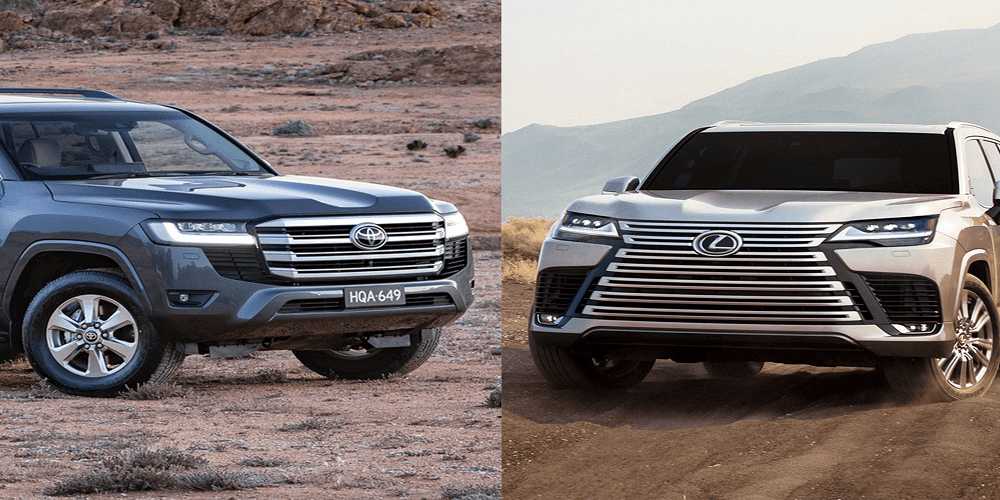
When exploring options for a new vehicle, buyers often find themselves choosing between Lexus and Toyota, two renowned automobile brands that share much more than meets the eye. Lexus is Toyota’s luxury division, but the differences go well beyond just price and style. Whether you’re considering comfort, performance, reliability, or long-term value, this guide breaks down everything you need to know about Lexus vs Toyota to help you make an informed decision.
The Relationship Between Lexus and Toyota
Lexus was introduced by Toyota in 1989 as a premium brand to compete with the likes of Mercedes-Benz, BMW, and Audi. Since then, Lexus has become a global symbol of luxury, while Toyota has maintained its reputation for affordability, reliability, and innovation. Both brands share some engineering platforms, manufacturing standards, and technology, but they cater to different segments of the market.
Brand Positioning and Identity
Toyota positions itself as a reliable, economical, and practical car manufacturer that focuses on mass-market appeal. Their cars are known for fuel efficiency, affordability, and low maintenance costs. Lexus, on the other hand, targets the premium market. Its cars are designed to offer superior materials, refined driving experiences, advanced technology, and top-tier customer service.
Design Philosophy
One of the most noticeable differences between the two brands lies in design. Lexus vehicles boast a more aggressive, luxurious, and stylish design language. Their signature spindle grille, sharp LED headlights, and sculpted body lines make a bold statement. Interiors are fitted with high-end materials like leather, real wood, and brushed aluminum.
Toyota vehicles have a more practical, family-oriented design approach. While newer models such as the Camry and Corolla have adopted bolder looks, they are still designed with simplicity, comfort, and practicality in mind.
Performance and Driving Experience
Lexus cars are engineered for performance, comfort, and quietness. Many models come with powerful V6 and V8 engines, hybrid powertrains, adaptive suspension systems, and noise-reducing materials. Driving a Lexus feels refined, with smooth acceleration, crisp handling, and minimal cabin noise.
Toyota focuses more on efficiency and everyday usability. Their cars generally offer smaller engines, soft suspension setups, and light steering – ideal for daily commuting and family travel. However, Toyota’s TRD (Toyota Racing Development) variants do deliver sportier performance for enthusiasts.
Interior Comfort and Features
Lexus interiors are designed to impress. Standard features often include leather upholstery, wood trim, premium sound systems, ambient lighting, and large infotainment displays. Lexus also includes more advanced driver assistance technologies, better noise insulation, and higher-quality seat cushioning.
Toyota vehicles also offer a comfortable ride, but the materials used are often more utilitarian. While Toyota’s upper trims (like XLE and Limited) offer leather, sunroofs, and larger displays, they’re still not on the same level as Lexus when it comes to luxurious feel.
Technology and Infotainment
Lexus is known for offering cutting-edge technology, including features like wireless Apple CarPlay/Android Auto, large high-resolution touchscreens, heads-up displays, and semi-autonomous driving aids in models like the LS and RX. The Lexus Enform system integrates smartphone connectivity, remote control features, and navigation assistance.
Toyota’s infotainment system, Toyota Audio Multimedia, is user-friendly and reliable. It offers smartphone integration, touchscreens, and voice commands. However, it usually lacks some of the advanced features found in Lexus vehicles unless you go for higher trims.
Safety and Reliability
Both Lexus and Toyota are industry leaders in reliability and safety. Toyota has long been known for producing some of the most reliable cars on the road, and Lexus consistently ranks high in dependability studies by J.D. Power and Consumer Reports.
In terms of safety, both brands offer advanced safety suites: Toyota has Toyota Safety Sense (TSS), and Lexus offers Lexus Safety System+ (LSS+). These systems include adaptive cruise control, lane keeping assist, automatic emergency braking, and pedestrian detection.
Maintenance and Ownership Costs
Toyota vehicles are famously affordable to maintain. Parts are cheap and widely available, and Toyota dealerships are easy to find in most regions. Oil changes, brake pads, and other routine services are inexpensive compared to luxury brands.
Lexus vehicles, while more expensive to purchase and maintain, still offer relatively low ownership costs for a luxury brand. Maintenance is less frequent, and Lexus dealerships often provide complimentary services like loaner cars and car washes. However, repairs and replacement parts can be more expensive due to the premium components.
Fuel Efficiency
Toyota has led the charge in hybrid technology with models like the Prius, Camry Hybrid, and RAV4 Hybrid. These cars offer excellent fuel economy and are a top choice for eco-conscious drivers.
Lexus also produces hybrid models, such as the RX 500h and ES 300h, which combine luxury and efficiency. However, due to their heavier builds and performance-oriented powertrains, Lexus hybrids are generally less fuel-efficient than their Toyota counterparts.
Resale Value
Both brands hold their value well over time, but Toyota has a slight edge due to its broader market appeal and lower upfront cost. That said, Lexus vehicles also maintain strong resale value thanks to their reliability, build quality, and brand prestige.
Popular Models Comparison
Toyota Camry vs Lexus ES
The Toyota Camry is a reliable, mid-sized sedan with good fuel economy, solid performance, and affordability. The Lexus ES, while based on a similar platform, offers a smoother ride, quieter cabin, and upscale interior. If luxury and comfort are your priority, the ES is worth the extra cost.
Toyota RAV4 vs Lexus NX
The Toyota RAV4 is a top-selling compact SUV with ample cargo space, great fuel economy, and modern features. The Lexus NX provides a more refined ride, additional tech features, and premium materials. For those wanting a luxurious small SUV, the NX is a compelling upgrade.
Toyota Highlander vs Lexus RX
The Toyota Highlander is perfect for families with its spacious third row, affordability, and safety features. The Lexus RX, meanwhile, sacrifices the third row in most models for better comfort, a luxurious feel, and a smoother drive.
Who Should Buy a Lexus?
- You value comfort, luxury, and quietness
- You want a premium driving experience
- You are looking for advanced features and high-end materials
- You prefer exceptional customer service and brand prestige
Who Should Buy a Toyota?
- You want affordability and long-term reliability
- You need a practical, no-nonsense vehicle
- You prefer lower maintenance and fuel costs
- You’re looking for a wide dealership network and ease of service
Environmental Impact
Both brands are making strides toward sustainability. Toyota continues to dominate the hybrid market and has committed to developing hydrogen fuel cell and electric vehicles. Lexus has also introduced several hybrid models and is gradually shifting to electric vehicles with its Lexus RZ EV lineup.
Their combined efforts in reducing emissions and improving fuel efficiency are helping lead the automotive industry into a greener future.
Driving Philosophy and Feel
Driving a Lexus feels like gliding on a smooth road, even over rough terrain. Cabin noise is minimal, and the suspension soaks up bumps. It's made for comfort and pleasure. On the other hand, driving a Toyota is practical, functional, and responsive. It's made for utility and dependability.
Final Thoughts: Lexus vs Toyota – Which One is Right for You?
Choosing between Lexus and Toyota boils down to your priorities. If you’re looking for a reliable car that offers value, low maintenance, and fuel efficiency, Toyota is a solid bet. But if you’re willing to spend more for upscale features, sophisticated design, and a superior driving experience, Lexus is the way to go.
Ultimately, the right choice depends on your budget, lifestyle, and personal preferences. With either brand, you’re getting a vehicle backed by Toyota’s commitment to quality and innovation.
FAQs
Q1. Is Lexus better than Toyota in terms of quality?
Lexus generally offers better quality in terms of materials, craftsmanship, and features. However, Toyota excels in functional quality and long-term reliability.
Q2. Are Lexus vehicles just expensive Toyotas?
While some Lexus and Toyota models share platforms or components, Lexus vehicles undergo different tuning, have higher-end materials, and include more advanced features, making them distinct products.
Q3. Is Lexus more reliable than Toyota?
Both brands are extremely reliable, but Lexus often ranks slightly higher in long-term reliability surveys due to superior quality control and fewer recalls.
Q4. Why do Lexus cars cost more than Toyota cars?
Lexus cars come with luxury features, advanced technology, better insulation, and premium materials, which contribute to their higher price.
Q5. Which has a better resale value – Toyota or Lexus?
Toyota often has slightly better resale value due to its affordability and mass appeal, but Lexus also maintains strong value in the luxury segment.
Q6. Are Toyota and Lexus parts interchangeable?
In some cases, yes—especially with vehicles that share the same platform. However, Lexus parts may be more refined or premium versions of Toyota parts.
Q7. Do Lexus cars require premium fuel?
Many Lexus models recommend or require premium fuel for optimal performance, whereas most Toyota vehicles run fine on regular unleaded gasoline.
Q8. Is it worth upgrading from a Toyota to a Lexus?
If luxury, performance, and advanced features matter to you, the upgrade is often worth it. If you're content with practicality and affordability, a high-trim Toyota may suffice.
Q9. Which brand is better for families?
Toyota offers more family-friendly options like the Sienna minivan or Highlander SUV. Lexus is more focused on luxury, though models like the RX and GX can suit family needs.
Q10. What’s the best Lexus alternative to a Toyota Camry?
The Lexus ES is the luxury counterpart to the Toyota Camry, offering similar reliability but with more comfort, quieter rides, and better tech.
Leave A Comment
0 Comment