
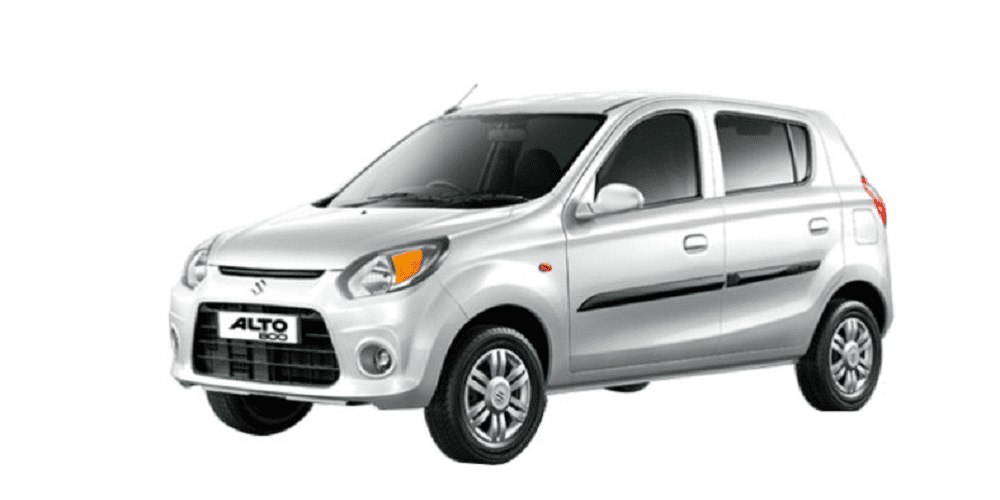
India’s love for small, fuel-efficient, and affordable cars has long been dominated by one name — the Maruti Alto 800. For decades, the Alto 800 has been the go-to choice for first-time car buyers, city commuters, and anyone looking for a practical vehicle on a budget. Even in a market crowded with new models, the Alto 800 holds a special place in the hearts of millions.
In this detailed post, we’ll explore everything about the Maruti Alto 800 — its legacy, performance, design, features, variants, and why it continues to remain one of India’s favorite hatchbacks. Whether you’re considering buying one or are simply curious, read on to get a comprehensive understanding of this iconic car.
A Brief History of the Maruti Alto 800
The Maruti Alto 800 was first introduced in India in 2000 as a successor to the Maruti 800. It quickly became popular due to its compact design, low cost of ownership, and reliable performance. In 2012, the Alto 800 was launched as a refreshed version of the original Alto, carrying forward the legacy while improving design, performance, and safety features.
Over the years, it has undergone multiple upgrades and facelifts, with each version enhancing fuel efficiency, aesthetics, and technology to meet customer expectations and evolving market norms.
Design and Styling: Compact but Practical
The Maruti Alto 800 has always been a compact car, perfect for navigating Indian roads and crowded city streets. Its design is minimalistic but functional.
In its latest avatar, the Alto 800 sports a sleek front grille, newly designed bumpers, and slightly restyled headlamps that give it a fresher appearance. The car is available in vibrant color options like Mojito Green, Silky Silver, Granite Grey, and Cerulean Blue — giving buyers ample choice.
Despite its compact footprint, the Alto 800 manages to offer decent cabin space for four adults and a child. The cabin layout is simple yet purposeful, offering features like dual-tone interiors, ergonomically placed controls, and ample boot space for everyday use.
Engine and Performance
The Maruti Alto 800 is powered by a tried-and-tested 0.8-litre 3-cylinder petrol engine that delivers around 47 horsepower and 69 Nm of torque. While these figures may not sound exciting on paper, the lightweight body of the Alto 800 ensures peppy performance in city conditions.
What makes the engine stand out is its refinement and low maintenance. It’s tuned for efficiency and smooth driveability — qualities that matter most in daily driving scenarios.
In addition to the petrol variant, Maruti also offers a factory-fitted CNG version of the Alto 800. This makes it a great option for buyers looking for better fuel economy and lower running costs.
Fuel Efficiency: A Benchmark in Its Segment
Fuel efficiency is one of the biggest selling points of the Maruti Alto 800. The petrol version delivers around 22–24 km/l under standard driving conditions, while the CNG version offers up to 31.5 km/kg — among the best in the segment.
This excellent mileage makes the Alto 800 extremely economical to run, especially for people who drive regularly or cover long distances on a daily basis.
Interiors and Comfort
The interior of the Maruti Alto 800 may not offer the luxury of a high-end sedan, but it covers all the basics well. The cabin is designed to be ergonomic and user-friendly.
Some notable features include:
- Dual-tone dashboard
- Power windows (front)
- Power steering
- Manual AC with heater
- Integrated infotainment system with Bluetooth and USB
- Keyless entry (in higher variants)
- Bottle holders and glovebox storage
The seats offer decent cushioning, and there’s enough legroom and headroom for city commutes. The boot space is around 177 liters, sufficient for grocery runs or a weekend bag.
Safety Features
Safety is often a concern in entry-level cars, but the Alto 800 has made significant progress over the years. As per the updated safety norms in India, the current Alto 800 comes equipped with:
- Driver-side airbag (standard)
- Optional passenger-side airbag
- ABS with EBD
- Reverse parking sensors
- Speed alert system
- Seat belt reminders
These safety features ensure that the Alto 800 meets the basic safety expectations for its segment and complies with Indian government regulations.
Variants and Pricing
Maruti offers the Alto 800 in multiple variants to suit different needs and budgets. The key variants include:
- STD (Standard) – The base model with basic features
- LXI – Adds power steering and front power windows
- VXI – Includes infotainment system, keyless entry, body-colored bumpers
- VXI+ – Top variant with extra features like touchscreen infotainment
- LXI CNG – The CNG-powered version for higher fuel economy
The pricing starts from around ₹3.5 lakh (ex-showroom) and goes up to ₹5.2 lakh for the top variant, making it one of the most affordable cars in India today.
Maintenance and Service
One of the biggest advantages of owning a Maruti Alto 800 is the low cost of ownership. Maruti’s wide service network ensures that spare parts are easily available and service costs are economical.
Routine maintenance costs are minimal, and service intervals are user-friendly. The car also has a strong resale value, which is an important consideration for budget buyers.
Who Should Buy the Maruti Alto 800?
The Maruti Alto 800 is perfect for:
- First-time car buyers
- Students and working professionals looking for a low-cost vehicle
- Senior citizens who want a simple, easy-to-drive car
- Families looking for a second car for city use
- Buyers interested in CNG vehicles for better economy
Its compact dimensions, ease of parking, high mileage, and affordable pricing make it a practical choice for Indian roads.
Pros and Cons
Let’s take a quick look at what makes the Alto 800 a compelling buy — and where it might fall short.
Pros:
- Extremely affordable
- Great mileage, especially in CNG
- Easy to maintain
- Compact size for city driving
- Reliable Maruti service support
Cons:
- Basic interiors and limited features
- Limited highway performance
- Not suitable for larger families
- CNG version has reduced boot space
Future of the Maruti Alto 800
With the automobile industry moving towards cleaner and more efficient technologies, Maruti is expected to eventually phase out the Alto 800 in favor of newer models based on the Heartect platform — like the S-Presso and Alto K10.
However, as of now, the Alto 800 continues to be a top choice in the entry-level segment. It remains a symbol of trust, reliability, and affordability in the Indian automotive space.
Frequently Asked Questions (FAQs)
Q1: Is Maruti Alto 800 a good car for beginners?
Yes, absolutely. The Alto 800 is known for its easy handling, low maintenance, and compact size, making it ideal for first-time car buyers and learners.
Q2: What is the mileage of Alto 800?
The petrol version delivers around 22–24 km/l, while the CNG version gives up to 31.5 km/kg under standard conditions.
Q3: Is Alto 800 good for long drives?
While it can handle long drives, the Alto 800 is primarily designed for city use. On highways, you might find its performance and comfort limited compared to larger cars.
Q4: Does Alto 800 have power steering and power windows?
Yes, but only in the LXI variant and above. The STD variant does not come with these features.
Q5: Is the Alto 800 available in automatic transmission?
No, the Alto 800 is only available with a 5-speed manual transmission. If you want an automatic, you can check out the Alto K10.
Q6: How often should I service my Alto 800?
Maruti recommends servicing your Alto 800 every 10,000 km or once a year, whichever comes first.
Q7: Is CNG better than petrol in the Alto 800?
If you drive a lot, the CNG variant will save you money in
Leave A Comment
0 Comment