
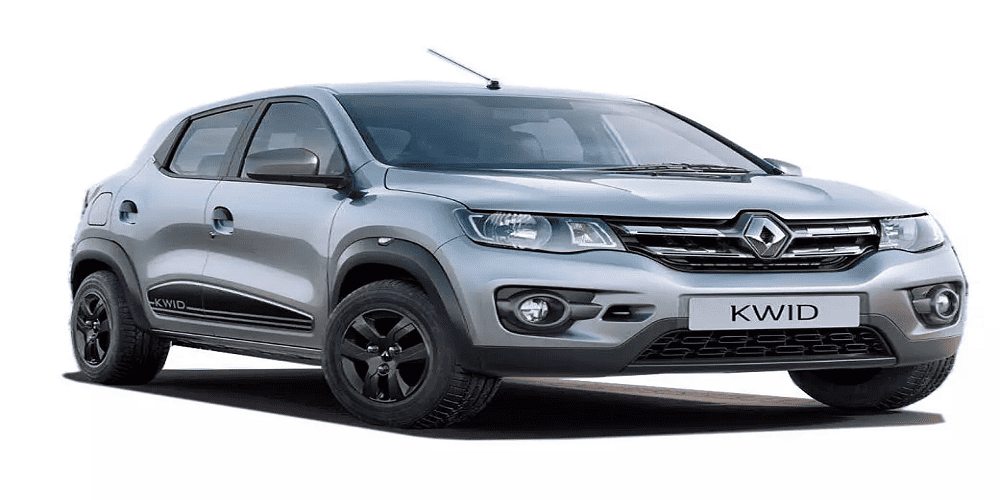
The Renault Kwid has been one of the most popular entry-level hatchbacks in India since its launch. Known for its SUV-inspired styling, affordability, and practical features, it has gained a loyal customer base across urban and rural areas alike. One of the key factors that influences buying decisions in this segment is fuel efficiency. For many buyers, petrol mileage is not just a specification—it is a crucial cost-saving factor over years of usage.
If you are considering purchasing the Renault Kwid, or if you are simply curious about how efficient it is in real-world driving, this detailed guide will cover everything you need to know about the Renault Kwid petrol mileage. From official ARAI figures to real-world mileage performance, factors affecting fuel efficiency, maintenance tips, and comparisons with competitors, we will explore every detail.
Overview of Renault Kwid
Before diving into mileage details, it is important to understand what the Renault Kwid offers as a complete package. First launched in 2015, the Kwid was designed to target budget-conscious buyers looking for a stylish yet affordable hatchback. With its bold exterior, touchscreen infotainment, and spacious interiors for its price point, the Kwid has stood out in the competitive small car market.
Over the years, Renault has introduced multiple updates, improving both styling and mechanical performance. The Kwid is currently available with two petrol engine options and a choice of manual or AMT (automated manual transmission) gearboxes. While features and performance matter, fuel efficiency remains a top reason why the Kwid continues to attract customers.
Petrol Engine Options in Renault Kwid
The Kwid is powered by petrol engines only. The current BS6 Phase 2-compliant versions come with two different engine capacities:
- 0.8-litre SCe Petrol Engine – This is the smaller and more affordable option. It is ideal for city commuting and light driving needs. Power output is modest, but it delivers good mileage for everyday use.
- 1.0-litre SCe Petrol Engine – This engine is slightly more powerful, making it a better choice for buyers who drive on highways more often or want a bit more performance without compromising too much on fuel economy.
Both engines are paired with either a 5-speed manual gearbox or an AMT gearbox, depending on the variant chosen.
ARAI-Certified Petrol Mileage
In India, the Automotive Research Association of India (ARAI) tests and certifies fuel efficiency figures for all vehicles. These tests are conducted under controlled conditions, which often means that the real-world mileage can be different.
- 0.8-litre Petrol Engine (Manual) – Around 22 km/l (ARAI-certified)
- 1.0-litre Petrol Engine (Manual) – Around 21 km/l (ARAI-certified)
- 1.0-litre Petrol Engine (AMT) – Around 22 km/l (ARAI-certified)
These figures place the Renault Kwid among the more fuel-efficient cars in its segment. However, actual on-road performance depends on several factors, which we will discuss later.
Real-World Renault Kwid Petrol Mileage
While ARAI ratings are a useful benchmark, most buyers are interested in what they will actually get in daily driving. Based on user reviews, automotive tests, and long-term ownership reports, the real-world mileage of the Renault Kwid tends to be slightly lower than the official figures—like most cars.
In city traffic with frequent stops, expect:
- 0.8-litre Manual – Around 15–17 km/l
- 1.0-litre Manual – Around 14–16 km/l
- 1.0-litre AMT – Around 14–16 km/l
On highways with steady speeds and less braking, you might get:
- 0.8-litre Manual – Around 20–21 km/l
- 1.0-litre Manual – Around 19–20 km/l
- 1.0-litre AMT – Around 18–19 km/l
These variations are normal because driving conditions, terrain, load, and even weather can impact mileage.
Factors Affecting Renault Kwid Petrol Mileage
Petrol mileage is influenced by many real-world conditions. Understanding these can help you maintain or even improve your Kwid’s fuel efficiency.
1. Driving Habits
Smooth acceleration and avoiding sudden braking can significantly improve fuel economy. Hard acceleration uses more fuel, especially in city driving.
2. Traffic Conditions
Stop-and-go traffic in metro cities can lower mileage by several kilometres per litre compared to open roads.
3. Tyre Pressure
Under-inflated tyres create more rolling resistance, reducing mileage. Maintaining recommended tyre pressure is crucial.
4. Load and Weight
Carrying heavy luggage or driving with a full passenger load increases fuel consumption.
5. Maintenance
Regular servicing, timely oil changes, and keeping air filters clean ensure the engine runs efficiently.
6. Gear Shifting
For manual variants, shifting at the right RPM range optimises fuel efficiency. Driving in the correct gear reduces engine strain.
7. Fuel Quality
Poor-quality petrol can affect combustion efficiency and mileage. Always refuel from trusted fuel stations.
Renault Kwid Petrol Mileage in City vs Highway
One of the advantages of small petrol engines is their efficiency in city driving compared to larger engines. The Kwid’s compact size and light weight make it agile in traffic and economical in fuel usage—provided it is driven smoothly.
In city use, mileage will inevitably be lower due to constant braking and acceleration. On highways, the Kwid performs better as long as speeds are kept moderate (around 70–90 km/h). Driving above 100 km/h significantly reduces mileage due to increased aerodynamic drag and engine load.
Tips to Improve Renault Kwid Petrol Mileage
Even if the Kwid is already fuel-efficient, there are ways to squeeze more kilometres out of every litre of petrol.
- Avoid Excessive Idling – Turn off the engine if you expect to stop for more than a minute.
- Plan Routes – Choose less congested roads even if they are slightly longer, as steady driving is more efficient.
- Maintain Tyre Pressure – Check pressure at least once every two weeks.
- Drive at Optimal Speeds – Between 60–80 km/h is usually the sweet spot for petrol cars.
- Service Regularly – Follow Renault’s recommended maintenance schedule.
- Use Light Foot Acceleration – Pressing the accelerator gently keeps fuel consumption in check.
- Minimise AC Use in Mild Weather – Air conditioning adds load to the engine.
Comparison with Competitors
When it comes to petrol mileage, the Renault Kwid competes with cars like the Maruti Suzuki Alto K10, Maruti Suzuki S-Presso, and Hyundai Santro (discontinued in India but still present in used markets).
- Maruti Alto K10 – ARAI mileage around 24 km/l, real-world around 18–20 km/l.
- Maruti S-Presso – ARAI mileage around 24 km/l, real-world around 17–19 km/l.
- Hyundai Santro – ARAI mileage around 20 km/l, real-world around 15–17 km/l.
While the Kwid’s official mileage is slightly lower than Maruti’s small cars, it offers better styling, more features, and a comfortable cabin, which may justify the minor difference in fuel efficiency.
Long-Term Ownership Experience
Owners who have driven the Renault Kwid for several years report that the petrol mileage remains consistent if the car is maintained well. Regular servicing and replacing wear-and-tear components on time help avoid a drop in efficiency.
Many users also mention that the AMT variant offers convenience in traffic without drastically reducing mileage compared to manual variants, which is a plus point for city users.
Renault Kwid Petrol Mileage in Different Conditions
It is interesting to see how mileage varies depending on where and how the car is used.
- Hilly Areas – Expect mileage to drop by 3–4 km/l because of constant gear changes and engine load.
- Hot Weather with AC – Mileage can reduce by 1–2 km/l when the air conditioner is used continuously.
- Cold Starts in Winter – Engine warm-up consumes more fuel in the first few kilometres.
- Highway with Heavy Load – Carrying full luggage and passengers can lower mileage by 1–2 km/l.
The Balance Between Performance and Economy
While the 0.8-litre Kwid delivers the best mileage, it has modest performance and is better suited for city use. The 1.0-litre engine strikes a balance, offering more power for highway drives without sacrificing too much on fuel efficiency. Buyers who prioritise mileage above all else can choose the smaller engine, while those who want versatility may prefer the 1.0-litre version.
Should You Buy the Renault Kwid for Mileage?
If petrol mileage is a key factor in your decision, the Renault Kwid is a strong contender in its segment. It delivers respectable real-world fuel efficiency, is affordable to maintain, and offers SUV-like looks in a compact hatchback package.
While Maruti’s small cars may offer slightly higher mileage figures on paper, the difference is often minimal in practical usage. Plus, Renault’s design and features give it an edge in style and comfort.
Final Thoughts
The Renault Kwid petrol mileage is one of its biggest selling points. With ARAI figures around 21–22 km/l and real-world performance that satisfies most budget-conscious buyers, it offers a good balance of economy, comfort, and style. By adopting fuel-saving driving habits and following proper maintenance schedules, owners can enjoy many years of cost-efficient motoring.
FAQs – Renault Kwid Petrol Mileage
Q1: What is the official ARAI-certified mileage of the Renault Kwid?
The ARAI-certified mileage is around 22 km/l for the 0.8-litre manual, around 21 km/l for the 1.0-litre manual, and around 22 km/l for the 1.0-litre AMT variant.
Q2: What mileage can I expect in city driving?
In typical city conditions, expect between 14 and 17 km/l depending on traffic, load, and driving habits.
Q3: Does the Renault Kwid AMT have lower mileage than the manual version?
In real-world usage, the AMT mileage is similar to manual variants, with only a minor difference of around 1 km/l.
Q4: How can I improve my Kwid’s petrol mileage?
Maintain tyre pressure, service the car regularly, drive smoothly without harsh acceleration, and avoid prolonged idling.
Q5: Which Renault Kwid engine offers better mileage?
The 0.8-litre engine offers slightly better mileage, but the 1.0-litre engine provides more power with only a small reduction in fuel efficiency.
Q6: Does using air conditioning reduce mileage?
Yes, continuous AC usage can reduce mileage by about 1–2 km/l, especially in city traffic.
Q7: How does the Kwid’s mileage compare to the Maruti Alto K10?
The Alto K10 has slightly higher ARAI mileage, but in real-world driving, the difference is often minimal.
Leave A Comment
0 Comment