
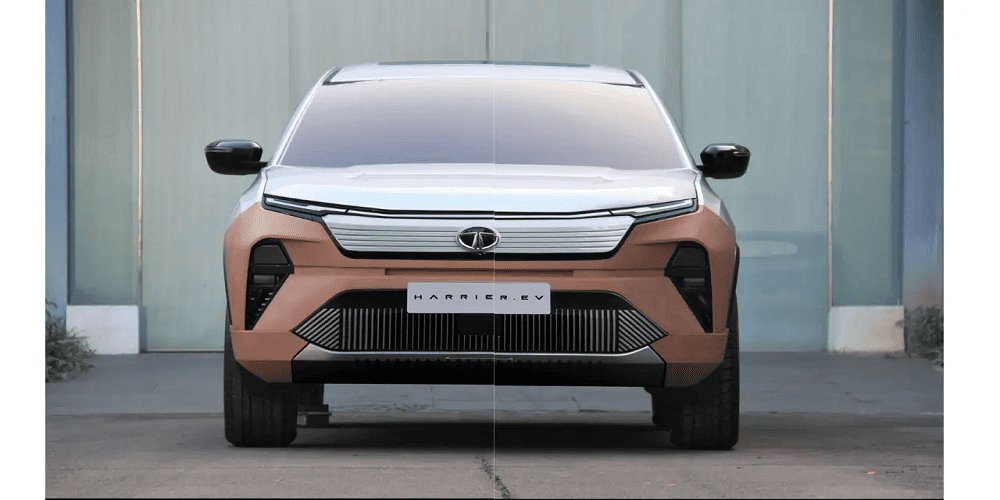
The automotive industry is experiencing a paradigm shift from traditional internal combustion engines to electric vehicles (EVs). In India, Tata Motors has emerged as a front-runner in the EV market, offering accessible and innovative electric cars. After the success of the Tata Nexon EV, Tata Tigor EV, and Tata Tiago EV, the company is gearing up to launch a new electric SUV – the Tata Harrier EV.
This model is expected to set new benchmarks in India’s electric SUV segment, combining modern design, powerful performance, and sustainable mobility. In this detailed guide, we will explore everything about the Tata Harrier EV – from its expected design, performance, features, charging capabilities, and safety to its position in the Indian EV landscape.
Introduction to Tata Harrier EV
The Tata Harrier has been one of the most popular SUVs in India since its launch in 2019. Built on the OmegaArc platform derived from Land Rover’s D8 architecture, it is known for its muscular design, spacious interiors, and powerful diesel engine. However, with the global and Indian market increasingly shifting towards electric mobility, Tata Motors is preparing to launch an electric version of this SUV – the Tata Harrier EV.
The Harrier EV is expected to debut with Tata’s advanced electric powertrain, featuring dual motors, all-wheel drive capabilities, and a long-range battery pack. It is positioned as a premium electric SUV catering to buyers who want performance, space, and eco-friendly mobility in one package.
Design and Exterior
The Tata Harrier EV is expected to carry forward the design philosophy of the existing Harrier but with futuristic electric vehicle styling cues. Based on the design showcased at Auto Expo 2023, the Harrier EV will come with a closed-off front grille, new LED headlamps, and a redesigned bumper. These changes not only enhance the vehicle’s aesthetics but also improve aerodynamics, which is essential for better range efficiency.
Key exterior highlights may include:
- Sleek LED daytime running lights
- Aerodynamic alloy wheels
- EV-specific grille with blue accents
- Full-width LED tail lamps
- Dual-tone paint schemes with contrasting roof options
The SUV will continue to maintain its bold stance, ensuring road presence, while reflecting its eco-friendly DNA through subtle design changes.
Interior and Cabin Features
Inside the Tata Harrier EV, buyers can expect a blend of luxury, space, and technology. Tata Motors has been upgrading its interiors across recent models, and the Harrier EV is likely to receive a premium treatment.
Expected interior highlights:
- A large digital driver’s display
- 12.3-inch touchscreen infotainment system with wireless Android Auto and Apple CarPlay
- Premium leatherette upholstery
- Panoramic sunroof
- Multi-zone climate control
- Ambient lighting
- Powered seats with memory function
Tata may also integrate advanced connected car technology through its iRA connected system, offering features such as remote start/stop, climate control management, geo-fencing, and live vehicle tracking.
Powertrain and Performance
One of the biggest highlights of the Tata Harrier EV will be its electric powertrain. According to information shared by Tata Motors, the SUV will be equipped with a dual-motor setup, enabling all-wheel drive (AWD) capabilities. This will make it one of the most capable Tata EVs in terms of handling different terrains.
Expected performance specifications include:
- Dual electric motors with a combined output of around 300+ bhp
- All-wheel drive system for enhanced stability and off-road capability
- Battery pack capacity in the range of 60–70 kWh
- Driving range of 450–500 km on a single charge (expected)
- Fast charging support with 0–80% charge in under an hour
While exact details are yet to be revealed, these specifications position the Harrier EV as a strong rival to upcoming electric SUVs from Mahindra, Hyundai, and MG.
Battery and Charging Options
The Tata Harrier EV will likely use Tata’s Gen 2 EV architecture, which supports larger batteries and multiple charging options. Customers can expect:
- DC fast charging for rapid top-ups during long drives
- AC home charging solutions with a standard wall box charger
- Compatibility with public charging stations across India
- Regenerative braking system to enhance range
Tata Motors is also expanding its EV charging infrastructure through Tata Power, making charging more accessible for EV owners.
Safety Features
Safety has always been a strong point for Tata Motors, and the Harrier EV is expected to continue this tradition. The SUV may feature:
- Six or more airbags
- ABS with EBD
- Traction control and electronic stability program
- Advanced driver assistance systems (ADAS) including lane keep assist, adaptive cruise control, and autonomous emergency braking
- 360-degree camera and parking sensors
- ISOFIX child seat mounts
With growing customer expectations, Tata will likely emphasize global safety standards, aiming for a high star rating in crash tests.
Technology and Connectivity
Tata Harrier EV is expected to be loaded with modern technology. Features may include:
- Advanced connected car suite with smartphone app integration
- Voice-activated controls
- Over-the-air (OTA) software updates
- Customizable digital cockpit
- Premium audio system, possibly from JBL or Harman
- Wireless charging for smartphones
These features will enhance the overall driving experience, making the Harrier EV a tech-savvy SUV.
Competitors of Tata Harrier EV
When launched, the Tata Harrier EV will compete in the mid-size electric SUV segment. Its key rivals will include:
- Mahindra XUV.e8
- Hyundai Ioniq 5 (premium segment overlap)
- MG ZS EV (smaller but still a competitor)
- BYD Atto 3
- Upcoming Toyota and Kia EV SUVs
The Harrier EV’s advantage lies in Tata’s competitive pricing strategy and strong brand trust in the Indian market.
Expected Price and Launch Date
While Tata Motors has not officially disclosed the price, industry experts expect the Tata Harrier EV to be priced between ?28 lakh to ?35 lakh (ex-showroom) depending on the variant.
The launch is expected by late 2025 or early 2026, aligning with Tata’s roadmap of launching multiple electric vehicles under its “New Forever” strategy.
Why Tata Harrier EV Could Be a Game-Changer
- Strong SUV DNA – Harrier is already a proven SUV in India, and its EV avatar will attract premium buyers.
- Advanced Powertrain – With dual-motor AWD, it will offer powerful performance.
- Long Range – 450–500 km range will reduce range anxiety.
- Tata Ecosystem – Strong support of Tata Power charging network.
- Affordability – Compared to international rivals, Tata may offer aggressive pricing.
Future of EVs in India and Tata’s Role
The Indian government is pushing EV adoption through subsidies, tax benefits, and infrastructure development. Tata Motors is playing a key role by offering EVs in different price segments. The Harrier EV will strengthen Tata’s portfolio, giving Indian buyers an option to own a premium electric SUV without relying on foreign brands.
Tata is also working on advanced battery technologies, including solid-state batteries, to enhance performance and safety. With the Harrier EV, Tata aims to establish itself as the leader in India’s electric SUV market.
Leave A Comment
0 Comment