
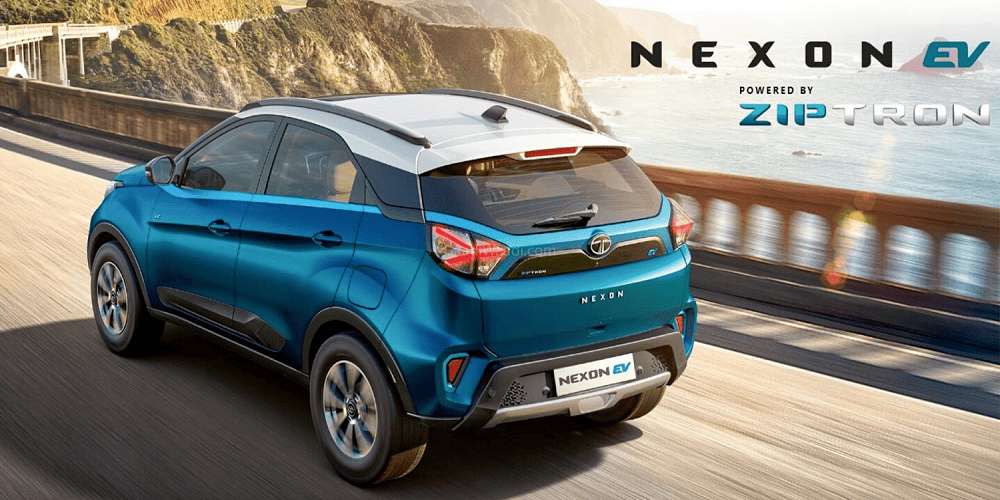
The Tata Nexon EV has become a flagship electric vehicle in India, representing Tata Motors’ commitment to sustainable mobility. While the vehicle itself is not publicly traded, its performance significantly affects Tata Motors’ share price, as investors closely monitor the company’s electric vehicle strategy. Understanding the dynamics behind Tata Motors’ share price in the context of the Nexon EV requires exploring market trends, company performance, EV adoption in India, and broader economic factors.
1. Overview of Tata Motors
Tata Motors, part of the Tata Group, is a leading automobile manufacturer in India, producing passenger vehicles, commercial vehicles, and electric vehicles. Over the past decade, the company has significantly expanded its electric vehicle portfolio, with the Nexon EV emerging as a key player. Tata Motors’ share price reflects not only its traditional vehicle business but also its growing presence in the electric vehicle segment, which has attracted investor attention due to India’s push for sustainable transportation.
2. The Emergence of Tata Nexon EV
The Tata Nexon EV, launched as a fully electric SUV, combines affordability, technology, and safety. Available in multiple battery options, including 30 kWh and 45 kWh variants, the Nexon EV offers competitive ranges suitable for urban and intercity travel. The vehicle has become popular due to its combination of performance, modern features, and a growing charging infrastructure in India. Its adoption has a direct impact on Tata Motors’ revenues from electric vehicles, influencing investor confidence and ultimately affecting share price performance.
3. Tata Nexon EV Features Driving Market Interest
Several features of the Nexon EV have contributed to its popularity:
- Range and Performance: The Nexon EV Long Range variant offers ranges close to 400 kilometers in real-world conditions, making it practical for daily commutes and occasional long trips.
- Safety Standards: With high safety ratings, the Nexon EV has been recognized for passenger protection, which boosts consumer confidence and brand loyalty.
- Technology Integration: Smart infotainment systems, wireless connectivity, and fast-charging capabilities appeal to tech-savvy buyers.
- Cost and Incentives: Competitive pricing and government incentives under India’s FAME-II scheme make the Nexon EV an attractive choice for new EV adopters.
These factors make the Nexon EV not just a product success but also a contributor to the perception of Tata Motors as an innovative, future-focused company.
4. Tata Motors Share Price Dynamics
Tata Motors’ share price is influenced by multiple factors, including:
- Vehicle Sales and Revenue: Strong sales of vehicles like the Nexon EV drive revenue growth, improving investor confidence.
- Profit Margins: Increasing margins in the EV segment signal the company’s operational efficiency, which can support higher valuations.
- Global Operations: International ventures, such as partnerships or market entries, also impact overall market perception.
- Regulatory Support: Policies promoting electric mobility, subsidies, and incentives affect projected growth and profitability.
- Market Sentiment: Broader economic trends and stock market conditions influence investor behavior, affecting share price fluctuations.
Investors often consider Tata Motors’ EV performance as a proxy for its future growth potential, making Nexon EV adoption rates a key metric.
5. Investor Sentiment and Nexon EV
The Nexon EV has boosted investor confidence in Tata Motors due to its consistent sales growth and technological advancements. Positive sentiment arises from:
- Rising EV Adoption: As Indian consumers increasingly adopt electric vehicles, Tata Motors is positioned to capture a growing market share.
- Innovation Leadership: Tata Motors’ investments in battery technology, charging infrastructure, and EV-specific designs suggest long-term competitiveness.
- Brand Reputation: A trusted automotive brand encourages investors to view the company as a stable, growth-oriented opportunity.
While traditional automotive segments face challenges, the EV division helps mitigate investor concerns about declining profits in conventional vehicle lines.
6. Economic Factors Affecting Share Price
Several macroeconomic factors also affect Tata Motors’ share price:
- Fuel Prices: High fuel prices make EVs like the Nexon EV more attractive, boosting sales and company revenue.
- Inflation and Costs: Rising raw material costs can affect margins, impacting earnings and share valuation.
- Government Policies: Incentives for electric vehicles and environmental regulations shape long-term growth prospects.
- Global Markets: International operations, export demand, and currency fluctuations influence overall financial performance.
Investors weigh these factors alongside Nexon EV performance to predict potential stock movements.
7. Comparative Analysis
Compared to competitors, the Tata Nexon EV holds a strong position in the Indian market. Its combination of price, range, and safety has made it a preferred choice over other electric SUVs. Shareholders see this competitive advantage as a sign of Tata Motors’ ability to dominate the EV segment, translating into perceived long-term growth potential and influencing the company’s market valuation.
8. Share Price Volatility
Tata Motors’ stock, like any other, is subject to volatility. Price movements can be triggered by:
- Quarterly financial results
- Changes in EV market demand
- Announcements about new product launches
- Broader stock market trends
- Geopolitical and economic developments
Even though the Nexon EV contributes positively to revenue, other business segments and market conditions also play a role in share price fluctuations.
9. Future Outlook
The future of Tata Motors’ share price is closely linked to its electric vehicle strategy. Anticipated developments include:
- Introduction of New EV Models: Upcoming vehicles in Tata Motors’ EV portfolio can further enhance revenue.
- Battery Technology Improvements: Efficient and cost-effective battery technology may improve profitability and product appeal.
- Infrastructure Expansion: More charging stations will make EVs more practical, likely boosting sales.
- Sustainability Initiatives: Emphasis on eco-friendly vehicles can attract socially conscious investors and consumers.
Investors monitoring Tata Motors often consider the Nexon EV’s success as a signal of the company’s readiness to compete in the evolving automotive landscape.
10. Risks and Considerations
While the Nexon EV is a success story, investors must consider potential risks:
- High Competition: Entry of global EV players in India may challenge market share.
- Supply Chain Disruptions: Battery and component shortages can affect production.
- Regulatory Changes: Reduction in subsidies or new regulations could impact EV profitability.
- Technological Disruptions: Rapid changes in EV technology require continuous investment to remain competitive.
Balanced consideration of these risks alongside growth potential is essential for investors evaluating Tata Motors’ share price.
Frequently Asked Questions (FAQs)
Q1: Does the Tata Nexon EV directly affect Tata Motors’ share price?
A1: While the vehicle itself isn’t traded, its sales and profitability influence investor perception and the company’s overall valuation, thereby affecting the share price.
Q2: What is driving investor interest in Tata Motors’ stock?
A2: The EV segment, particularly the Nexon EV, strong financial performance, and India’s growing EV market contribute to investor confidence.
Q3: Are there risks associated with investing in Tata Motors?
A3: Yes, competition, supply chain issues, market volatility, and regulatory changes pose potential risks.
Q4: How does EV adoption in India impact Tata Motors?
A4: Increasing EV adoption improves sales, revenue, and market share for Tata Motors, which positively influences the company’s valuation.
Q5: What is the future outlook for Tata Motors in the EV sector?
A5: Tata Motors is expected to expand its EV portfolio, improve battery efficiency, and strengthen charging infrastructure, supporting long-term growth.
Q6: Can Tata Motors’ share price rise based solely on the Nexon EV?
A6: The Nexon EV contributes to overall revenue and investor sentiment, but the share price also depends on broader company performance and market conditions.
Conclusion
Tata Motors’ share price is closely intertwined with its electric vehicle strategy, and the Nexon EV plays a crucial role in shaping investor perception. The vehicle’s strong sales, innovative features, and growing market acceptance make it a key factor in the company’s valuation. While risks remain, the future of Tata Motors looks promising in the EV segment, potentially supporting share price growth in the long term. Investors should consider market trends, EV adoption rates, and Tata Motors’ overall performance to make informed decisions.
Leave A Comment
0 Comment