
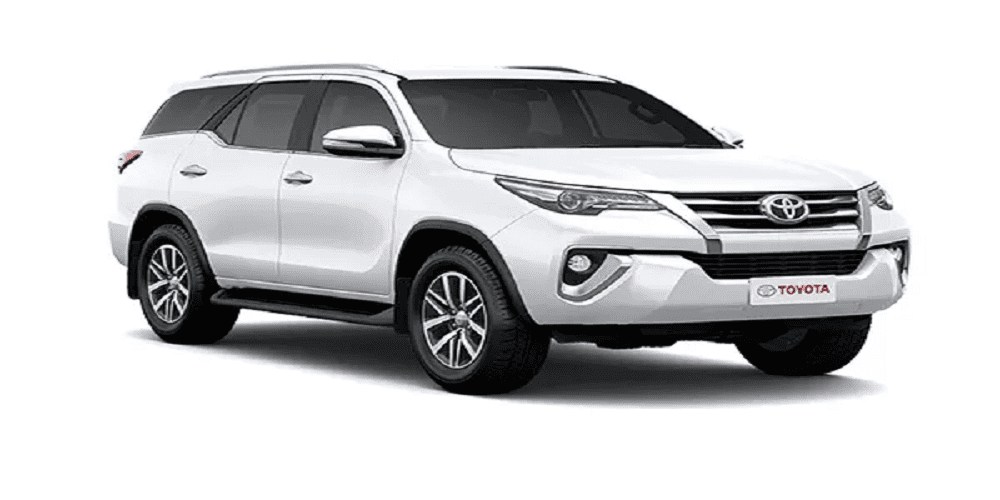
There’s something about a white SUV that just commands attention. But when that SUV is a Toyota Fortuner, the equation changes entirely. You aren’t just looking at a vehicle; you’re looking at a statement. The Toyota Fortuner white variant has become a cultural phenomenon, particularly in markets like India, Australia, Thailand, and the Middle East. It’s not merely a color choice—it’s a preference born out of practicality, prestige, and a certain rugged elegance.
Driving down any major highway, you will spot them. Fleet after fleet. The white Fortuner seems to be everywhere, yet it never feels ordinary. Why? Because Toyota has perfected the art of making a large, ladder-frame SUV look sophisticated in the cleanest possible canvas: Super White or Pearl White.
In this guide, we will unpack everything you need to know about the white Toyota Fortuner. From its resale value to maintenance quirks, from the best variant to buy to how it compares with darker shades. Whether you’re a first-time buyer or a seasoned SUV enthusiast, consider this your encyclopedia on the whitest, wildest Fortuner out there.
Why White? The Psychology Behind the Popularity
Before we dive into engine specs and mileage figures, let’s talk about the elephant in the room. Why do people gravitate toward the Toyota Fortuner white model so aggressively?
The answer is threefold: heat, safety, and status.
First, heat. In tropical countries where the Fortuner sells like hotcakes, a white car reflects sunlight far better than black or grey. Your air conditioner doesn’t have to work as hard, and the cabin remains marginally cooler. Second, safety. Studies have shown white vehicles are more visible on poorly lit roads and during dusk. The Fortuner is already a big vehicle; painting it white just amplifies its road presence while keeping it safe. Third, status. In many emerging economies, a white Fortuner is the unofficial vehicle of choice for politicians, celebrities, and business owners. It screams authority without shouting.
So, no. The white Fortuner isn’t just a color. It’s a strategy.
A Deep Dive Into the Paint: Super White vs. Pearl White
Here is where first-time buyers often get confused. Toyota offers two distinct shades of white on the Fortuner. Knowing the difference can save you thousands in repair bills later.
Super White (040) is your classic, no-nonsense flat white. It’s affordable, easy to touch up, and incredibly forgiving when it comes to minor scratches. If you plan to take your Toyota Fortuner white model off-roading through dense brush or rocky trails, Super White is your friend. A local body shop can match this paint with minimal fuss.
Pearl White (070) , often called “White Pearl Crystal Shine,” is a different beast entirely. It has mica flakes mixed into the paint that shimmer under sunlight. It looks luxurious—almost wet. However, repairing Pearl White is a nightmare. You cannot just paint a single panel; the new paint will never match the old one perfectly because the pearl flakes settle differently. If you buy a white Toyota Fortuner in Pearl White, get ready for expensive repaints and skilled artisans.
Pro tip from used car dealers: Pearl White holds its value slightly better than Super White, but Super White is easier to sell to fleet operators. Choose based on your usage.
Variants That Offer the White Magic
Toyota has launched multiple generations of the Fortuner. The current generation (AN160) offers the Toyota Fortuner white color across almost all trims. But let’s break down which variant makes the most sense.
1. Toyota Fortuner 4x2 Petrol (White)
This is the city slicker’s choice. It comes with a 2.7-liter 4-cylinder engine producing around 166 horsepower. In white, this variant looks surprisingly elegant. It lacks the heavy-duty off-road hardware, but for 90% of urban driving, it’s perfect. The white Fortuner in petrol guise is quieter than its diesel brother. Fuel economy hovers around 9-10 km/l. Not great, but predictable.
2. Toyota Fortuner 4x2 Diesel (White)
The bread and butter. The 2.8-liter GD series diesel engine is a masterpiece of torque. In white, this is the vehicle you see outside airports and five-star hotels. It produces 204 horsepower and 500 Nm of torque. The Toyota Fortuner white diesel 4x2 is the perfect balance of affordability (relative to the 4x4) and brawn. You get the look, the road presence, and the muscle without paying for a transfer case you will never use.
3. Toyota Fortuner 4x4 Diesel (White)
This is the king. The white Toyota Fortuner with a 4x4 system and a rear differential lock is an overlanding machine. In white, it looks like a stormtrooper ready for battle. This variant gets additional drive modes (Mud, Sand, Rock, Dirt). If you live in the mountains or frequently drive through flooded roads, this is your chariot. The only downside? The fuel economy drops to 8-9 km/l in city traffic.
4. Toyota Fortuner Legender (White)
Ah, the Legender. This is the blacked-out, sportier version of the standard Fortuner. But here’s the catch: The Toyota Fortuner white Legender is rare. Most Legenders come in black or dark grey. However, a white Legender with black alloy wheels and a blacked-out grille is arguably the most desirable Fortuner on the used market. It looks menacing. If you find one, buy it immediately.
Interior Aesthetics: Does White Outside Mean Dark Inside?
One common misconception is that a white Fortuner has a white interior. It does not. Toyota is smart. All Fortuners, regardless of exterior color, come with either an all-black interior or a black-and-beige combination.
Why? Because white leather in a vehicle designed for rough roads is a disaster waiting to happen. Mud, dust, and kids’ sticky fingers would ruin it in a week.
In a Toyota Fortuner white model, the black dashboard contrasts beautifully with the bright exterior. The cabin feels airy thanks to the large windows, but the dark materials hide wear and tear well. If you opt for the beige interior, be prepared to clean it every month. The black interior is far more practical for an SUV that actually sees dirt.
Resale Value: The White Premium
Here is where the white Toyota Fortuner destroys the competition. In the used car market, white Fortuners sell faster and for higher prices than any other color except maybe silver. Black Fortuners look fantastic for the first year, but swirl marks and heat damage make them less desirable. Blue or red Fortuners are too niche.
A well-maintained Toyota Fortuner white model, especially the diesel 4x2, can command up to 10-15% more resale value than a comparable black or grey model. Why? Because dealers know the demand exists. Fleet owners want white. Families want white. Even rental companies want white.
If you are buying a Fortuner as an investment (yes, vehicles can be investments in some markets), buy a white diesel model. Do not buy modifications. Do not change the alloy wheels. Keep it stock, keep it white, and watch the offers roll in when you sell it three years later.
Common Problems with the White Fortuner
Let’s be real for a second. The Toyota Fortuner white is not perfect. Owners report three consistent issues specific to the white paint.
Issue 1: Yellowing. After five or six years of harsh sun exposure, Super White can develop a slight yellowish tint. This is oxidation. The fix is a thorough clay bar treatment and a ceramic coating. Pearl White does not yellow, but it does fade unevenly.
Issue 2: Rail Dust. White paint shows every single contaminant. Those little orange/brown specks you see? Those are rail dust—metal particles that embed into the clear coat during transportation. You need a chemical iron remover spray to eliminate them. A simple wash won’t cut it.
Issue 3: Visible Dents. Because white reflects light, it also highlights every minor dent and ding. A small shopping cart bump that would be invisible on a dark grey car looks like a crater on a white Toyota Fortuner. You will become obsessive about parking far away from other cars.
Maintenance Guide for the White Fortuner Owner
Owning a Toyota Fortuner white model requires a specific routine. You cannot treat it like a silver sedan.
- Wash frequency: Once a week minimum. White shows dust within 24 hours.
- Soap type: Use a pH-neutral car shampoo. Dish soap will strip your wax and accelerate yellowing.
- Drying: Never air dry. Use a microfiber towel. Air drying leaves water spots that are incredibly visible on white.
- Wax/sealant: Use a sealant every three months. White cars benefit immensely from synthetic polymer sealants rather than natural carnauba wax.
- Ceramic coating: If you buy a new Toyota Fortuner white, spend the $500-$800 on a professional ceramic coating. It makes washing effortless and prevents yellowing for years.
Modifications: Making Your White Fortuner Unique
Stock is great, but where is the fun in that? The white Fortuner is a blank canvas. Here are three tasteful modifications that actually increase the car’s appeal.
Black Roof Wrap: Wrapping only the roof in gloss black gives the white Toyota Fortuner a two-tone look. It mimics the luxury SUVs from Germany. Costs about $200 and transforms the silhouette.
Smoked Taillights: The stock red taillights contrast harshly with white paint. A light smoke tint (legal, not limo black) blends the rear end beautifully.
Matte Black TRD Wheels: The stock alloys are fine. But swapping them for matte black TRD-style wheels makes the white Fortuner look like it belongs in a rap video. Keep the tire size stock to avoid speedometer errors.
Avoid chrome. Chrome on a white SUV looks dated. Stick to black or brushed metal accents.
Driving Impressions: On-Road and Off-Road
You cannot review a Toyota Fortuner white without discussing the driving dynamics. Let me be blunt: This is not a car. It is a truck.
On the road, the Fortuner rides firmly. The ladder-frame chassis means you feel every expansion joint on the highway. Some owners complain about the “bouncy” rear suspension when driving without passengers. That is normal. If you want a plush ride, buy a sedan. The white Fortuner is built to handle broken roads, not glass-smooth highways.
Off-road, the white color actually helps you see scratches and dirt accumulation better. When you return from a trail, you know exactly where you scraped a bush. The approach angle is decent (29 degrees), and the departure angle (25 degrees) is acceptable. In 4x4 low range, the Fortuner climbs like a mountain goat. The electronic locking rear differential is a lifesaver in deep mud.
The steering is heavy. Parking a Toyota Fortuner white in a cramped underground garage requires muscle. But you get used to it. And the moment you look over the hood and see that massive white bonnet, you forgive every inconvenience.
Fuel Efficiency: Real World Numbers
Let’s cut the marketing nonsense. Toyota claims 14 km/l for the diesel manual. Here is reality:
- City driving (heavy traffic): 7.5 – 8.5 km/l
- Highway (cruising at 100 km/h): 11 – 12 km/l
- Combined: 9.5 km/l
The white Toyota Fortuner weighs over 2.1 tons. It is shaped like a brick. You will visit fuel stations often. The petrol version is worse—expect 6 km/l in the city. If fuel economy is your priority, look at a hybrid crossover. The Fortuner is for people who prioritize presence over pennies.
Competitors: How White Fortuner Stacks Up
How does the white Toyota Fortuner compare to its rivals in the same color?
Vs. Ford Endeavour (white): The Endeavour rides better. It is more comfortable. But Ford has exited many markets, and parts availability is questionable. The white Fortuner wins on reliability and resale.
Vs. MG Gloster (white): The Gloster has more features. It has a panoramic sunroof and ADAS. But the Toyota Fortuner white feels more robust. The MG’s white paint chips easily. The Fortuner’s paint, even Super White, is thicker.
Vs. Jeep Meridian (white): The Jeep looks cooler. It has a better infotainment system. However, the Meridian is narrower. The white Fortuner offers more shoulder room and a stronger diesel engine.
Verdict: The Fortuner is not the best in any single category except resale and durability. But those two categories matter most to buyers in this segment.
Long-Term Ownership (5+ Years)
I spoke to a taxi fleet operator who runs twenty Toyota Fortuner white diesel models. His fleet average mileage is 300,000 km per vehicle. Here is what he told me:
- Change the oil every 8,000 km, not 10,000. The engine runs hot.
- The turbocharger will fail around 200,000 km. Budget for it.
- White paint on the roof will fade first. Get the roof repainted or wrapped at year six.
- The suspension bushings wear out by 120,000 km. Replace them with aftermarket polyurethane ones for longer life.
- Do not use cheap diesel. The DPF (diesel particulate filter) clogs quickly on white Fortuners used only for short trips.
His final advice: “Buy the white one. Always the white one. It sells itself when you are done with it.”
Short FAQs – Toyota Fortuner White
Q1: Is the Toyota Fortuner white more expensive than other colors?
No. Toyota charges the same ex-showroom price for Super White. Pearl White may have a small premium (approx. $100-$150) in some markets due to the extra paint layers.
Q2: Does the white Fortuner get dirty faster?
Yes. White shows dust, mud, and road grime almost instantly. However, it hides minor scratches better than black.
Q3: Which white is best for resale – Super White or Pearl White?
Pearl White typically fetches a 5% higher resale value because it looks premium. However, Super White is easier to sell in bulk to commercial buyers.
Q4: Can I get a white Toyota Fortuner with a sunroof?
Only the top-end Legender and Toyota Fortuner white 4x4 diesel automatic variants come with a sunroof. Lower trims do not offer it.
Q5: How often should I wax my white Fortuner?
Every three months. Use a synthetic sealant rather than wax. Ceramic coating is recommended for long-term protection.
Q6: Does the white Fortuner overheat in summer less than black?
Yes. Surface temperature measurements show a white Fortuner’s roof is up to 15°C cooler than a black one under direct sunlight.
Q7: Is the white Fortuner available in a hybrid version?
As of 2025, Toyota does not offer a hybrid Fortuner anywhere. The white Fortuner is available only with petrol or diesel engines.
Q8: What is the waiting period for a white Fortuner?
In markets like India, the white variant has the shortest waiting period (2-4 weeks) because Toyota produces it in higher volumes. Black and grey can take 3-6 months.
Conclusion: To White or Not to White?
The Toyota Fortuner white is more than a vehicle. It is a cultural touchstone. It represents a sweet spot between rugged practicality and understated luxury. Yes, it requires more washes. Yes, the paint needs careful maintenance. But the advantages—heat reflection, safety visibility, commanding road presence, and stellar resale value—far outweigh the minor inconveniences.
If you are standing in a Toyota showroom right now, staring at a white Fortuner under the fluorescent lights, do not overthink it. The black one looks cooler for exactly two weeks. The grey one looks sophisticated but disappears in traffic. The white one looks authoritative every single day.
Leave A Comment
0 Comment