
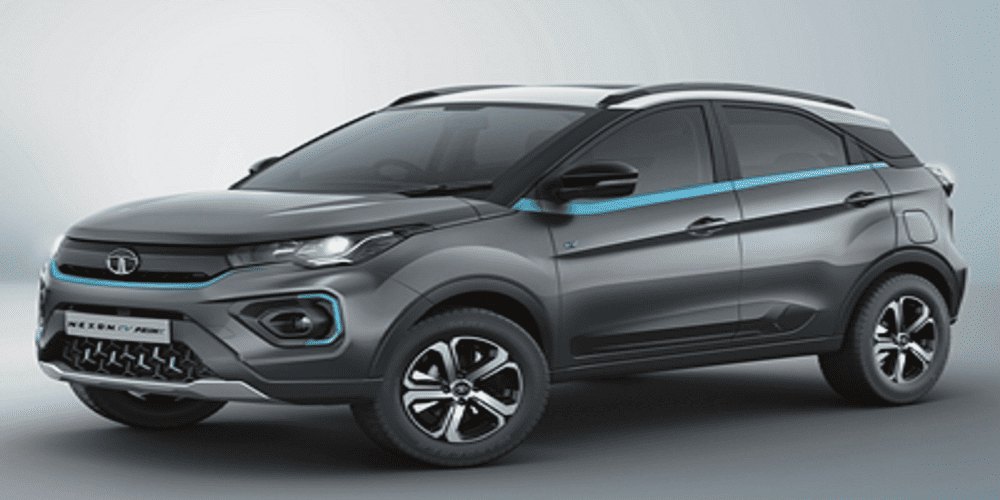
Tata Nexon EV fire was searched a great deal after a series of small incidents involving electric cars. In China and all over the world, electric mobility technologies have been a particular feature for some time. But calling electric cars the extension of mobile-phone radiation to automobiles is just plain wrong. One spark from even one fire in these electrically-operated vehicles could very well ignite fears, misunderstandings and misinformation, among enormous confusion. Naturally, a brand new issue is getting people all worked up. And of all the many electric cars now on sale in India, the Tata Nexon EV happens to be one of its most successful models.
This detailed article explains the topic of Tata Nexon EV fire clearly and responsibly. I will cover what really happened, why there have been fires in the electric cars, how Tata Motors responded and then what potential and existing owners need to be aware of. Our aim is to provide evidence-based information rather than vague anxiety for readers to understand EV safety pragmatically.
Understanding the Tata Nexon EV
Before discussing the Tata Nexon EV fire issue, it is important to understand the vehicle itself. The Tata Nexon EV is a fully electric compact SUV designed for Indian road and climate conditions. It uses a lithium-ion battery pack with advanced thermal management and multiple safety layers.
Tata Motors developed the Nexon EV with:
- High-voltage battery protection
- IP-rated waterproof battery casing
- Active and passive safety systems
- Real-world testing across Indian terrain
Because of these features, the Nexon EV has gained strong consumer trust and market share in the electric vehicle segment.
What Triggered the Tata Nexon EV Fire Searches
The rise in searches for Tata Nexon EV fire happened after reports surfaced on social media showing a burned electric vehicle. In some cases, visuals spread faster than verified information. Many users assumed the vehicle involved was a Tata Nexon EV, even before official confirmation.
In reality, only a very small number of incidents were actually linked to the Nexon EV, and investigations showed external factors played a major role. However, once the term Tata Nexon EV fire started trending, it created anxiety among potential buyers.
How Common Are Electric Vehicle Fires
One important fact often ignored in the Tata Nexon EV fire debate is statistical context. Studies globally show that electric vehicles catch fire far less frequently than petrol or diesel vehicles.
Reasons include:
- No liquid fuel combustion
- Sealed battery systems
- Automated power cut-off during impact
While EV fires can occur, they are rare and usually linked to severe accidents, water damage beyond design limits, or unauthorized modifications.
Causes Behind Tata Nexon EV Fire Incidents
After detailed investigation into reported Tata Nexon EV fire cases, several possible causes were identified. These causes are not unique to Tata but apply to EVs globally.
Battery Damage After Severe Impact
In some incidents, the vehicle had suffered heavy underbody impact before the fire occurred. Physical damage to battery cells can lead to thermal runaway if not detected immediately.
Unauthorized Electrical Modifications
Aftermarket wiring, third-party accessories, or tampering with high-voltage components can compromise safety systems. Such modifications significantly increase fire risk.
Charging From Unsafe Power Sources
Improper charging setups, damaged charging cables, or unstable power supply can cause overheating. Tata Motors strongly advises charging only with certified equipment.
Extreme External Heat
Parking near open flames, industrial heat sources, or chemical exposure can trigger fire risks in any vehicle, including electric ones.
Tata Motors’ Official Response
Tata Motors addressed the Tata Nexon EV fire concerns promptly. The company conducted internal investigations, worked with independent experts, and released official statements.
Key highlights of Tata Motors’ response included:
- Confirmation that no manufacturing defect was found
- Emphasis on battery safety certifications
- Customer education on correct charging practices
- Software updates for improved monitoring
This transparent approach helped restore confidence among Nexon EV owners.
Battery Safety Systems in Tata Nexon EV
To understand why Tata Nexon EV fire incidents are rare, it is important to know the safety architecture.
The Nexon EV includes:
- Multi-layer battery shielding
- Thermal management system
- Automatic isolation during faults
- Real-time battery health monitoring
If any abnormal temperature or voltage is detected, the system immediately limits power flow.
Media and Social Media Role in EV Fire Panic
The Tata Nexon EV fire topic also highlights how social media amplifies fear. A single image without context can go viral within minutes.
Common issues include:
- Misidentification of vehicle models
- Old incidents reshared as new
- Lack of official verification
Consumers should always rely on confirmed reports rather than viral posts.
Comparison With ICE Vehicle Fires
Traditional petrol and diesel vehicles catch fire more frequently due to:
- Fuel leakage
- Engine overheating
- Electrical short circuits
However, these incidents rarely trend online the way EV-related stories do. The Tata Nexon EV fire discussion often lacks this comparison, leading to distorted risk perception.
What Tata Nexon EV Owners Should Do
Current owners can reduce any fire risk further by following best practices.
Safe Charging Habits
Always use company-approved chargers and avoid extension cords or damaged sockets.
Avoid Flooded Roads
Although the Nexon EV has water-resistant components, deep water exposure should be avoided.
Regular Service Checks
Scheduled service ensures battery health and software updates remain optimal.
Do Not Modify Electrical Systems
Avoid installing aftermarket accessories that interfere with high-voltage wiring.
Is the Tata Nexon EV Safe to Buy Today
Despite the online noise around Tata Nexon EV fire incidents, the vehicle remains one of the safest EVs in India. Thousands of Nexon EVs operate daily without any safety issues.
The model continues to receive updates, improved battery chemistry, and enhanced software safety features.
Government Safety Standards and Testing
Electric vehicles sold in India must meet strict safety norms. The Tata Nexon EV complies with:
- AIS-038 standards
- Battery abuse testing
- Thermal propagation testing
- Crash safety norms
These tests ensure the vehicle remains safe under extreme conditions.
Future Improvements in EV Fire Safety
The Tata Nexon EV fire discussion has also pushed innovation. Manufacturers are working on:
- Solid-state batteries
- Better thermal isolation
- AI-based fault prediction
Tata Motors is actively investing in next-generation EV safety technology.
Myths vs Facts About Tata Nexon EV Fire
Myth: EVs catch fire easily
Fact: EVs statistically catch fire less often than petrol vehicles.
Myth: Battery explosions are common
Fact: Modern EV batteries are designed to release energy gradually, not explode.
Myth: Tata Nexon EV is unsafe
Fact: The Nexon EV meets global safety standards and has a strong safety record.
Consumer Awareness Is the Real Solution
The Tata Nexon EV fire topic shows the importance of consumer education. Understanding how EVs work reduces fear and builds trust.
Electric mobility is still new for many Indian buyers, but clear information can prevent panic-driven decisions.
FAQs
What caused the Tata Nexon EV fire incidents
Most reported Tata Nexon EV fire cases were linked to external damage, improper charging, or unauthorized modifications rather than manufacturing defects.
Is Tata Nexon EV battery safe
Yes, the battery is designed with multiple safety layers, thermal management, and real-time monitoring to prevent overheating.
Can charging at home cause Tata Nexon EV fire
Home charging is safe when done using certified chargers and proper electrical wiring.
Did Tata Motors recall Nexon EV due to fire
No mass recall was issued as investigations did not find systemic defects.
Are electric vehicles more dangerous than petrol cars
No, electric vehicles generally have a lower fire risk compared to petrol and diesel vehicles.
How can owners prevent Tata Nexon EV fire risk
By following safe charging practices, avoiding electrical modifications, and maintaining regular service schedules.
Is it safe to drive Nexon EV in rain
Yes, the vehicle is designed for Indian weather conditions, including rain, but deep water immersion should be avoided.
Should Tata Nexon EV fire reports affect buying decisions
Buyers should rely on verified data, not viral misinformation. The Nexon EV remains a safe and reliable EV option.
Final Thoughts
The Tata Nexon EV fire topic gained attention due to isolated incidents amplified by social media. When viewed objectively, the Nexon EV has a strong safety record supported by engineering, testing, and real-world usage.
As electric vehicles become mainstream, informed discussions will replace fear-driven narratives. The Tata Nexon EV continues to play a key role in India’s transition to clean and sustainable mobility.
Leave A Comment
0 Comment