
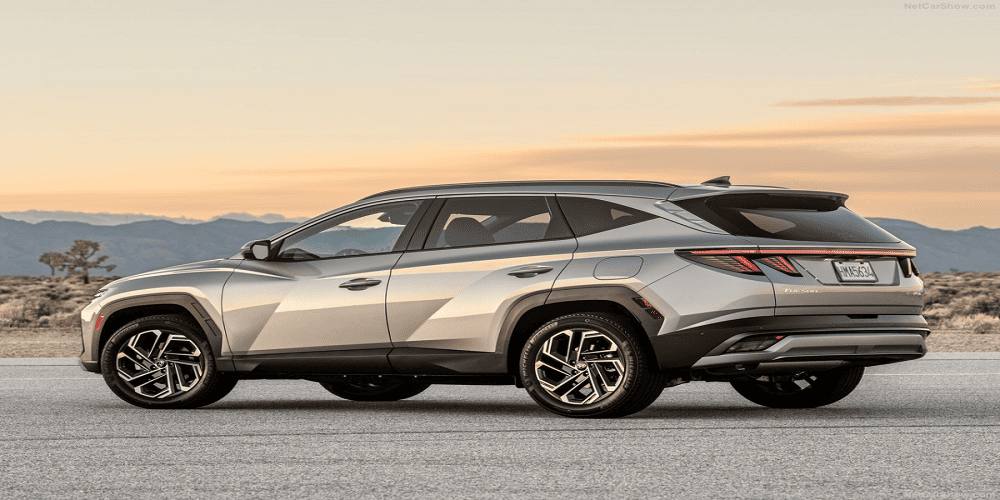
The compact SUV segment is one of the most competitive arenas in the automotive world, and few vehicles command attention quite like the Hyundai Tucson 2024. With a radical exterior redesign, a cabin that prioritizes both luxury and utility, and a powertrain lineup that caters to efficiency-minded drivers and performance seekers alike, the Hyundai Tucson 2024 continues to set new benchmarks. This guide provides an exhaustive look at every aspect of this remarkable vehicle, from its futuristic styling to its real-world driving dynamics, ensuring that potential buyers have all the information they need before stepping into a showroom.
Exterior Styling: Parametric Dynamics in Full Display
The first thing anyone notices about the Hyundai Tucson 2024 is its unmistakable presence on the road. Hyundai’s design philosophy, dubbed ‘Sensuous Sportiness,’ reaches a new peak with the Tucson’s parametric jewel-pattern grille. Unlike conventional grilles that serve a purely functional purpose, the unit on the Hyundai Tucson 2024 integrates hidden LED lighting. When the vehicle is off, the daytime running lights disappear seamlessly into the grille pattern, creating a monolithic, futuristic face. When activated, the lights illuminate with a sharp, jewel-like intensity that makes the Tucson instantly recognizable at night.
Moving along the profile, the Hyundai Tucson 2024 employs sharp, geometric lines known as ‘Parametric Dynamics.’ These lines catch light differently depending on the viewing angle, giving the SUV a chiseled, almost sculpted appearance. The beltline rises slightly toward the rear, creating a forward-leaning stance that suggests motion even while parked. Buyers can choose from a range of alloy wheel designs, from 17-inch options on base trims to striking 19-inch dark-finish alloys on the Limited model. At the rear, a full-width LED light bar connects the two taillight clusters, which themselves feature a claw-like pattern. This rear design not only enhances visibility but also lowers the visual center of gravity, making the Hyundai Tucson 2024 appear wider and more planted than its predecessor.
Interior Quality and Passenger Comfort
Stepping inside the Hyundai Tucson 2024 reveals a cabin that challenges class conventions. The interior theme is called ‘Interior Space for All,’ and it delivers on that promise with generous dimensions. The wheelbase is among the longest in the compact SUV class, directly translating into best-in-class second-row legroom. A six-foot-tall adult can sit behind a similarly sized driver without their knees touching the front seat, a feat not all rivals can claim.
The materials used throughout the cabin vary by trim level but consistently exceed expectations. Base SE and SEL trims feature high-quality cloth seating surfaces with soft-touch plastics on the dashboard and door panels. However, the N Line and Limited trims elevate the Hyundai Tucson 2024 into near-luxury territory. These models offer perforated H-Tex leatherette seating, available genuine leather, and ambient lighting with 64 color choices. The dashboard layout is refreshingly uncluttered. Most physical buttons for the infotainment system have been eliminated in favor of touch-sensitive controls and a central touchscreen. Buyers should note that while this looks modern, there is a learning curve to adjusting climate settings without tactile feedback.
Cargo capacity is another strong suit. With all seats in place, the Hyundai Tucson 2024 offers 38.7 cubic feet of space behind the second row. Folding the 60/40 split-folding rear seats down creates a flat load floor and opens up 74.8 cubic feet. This beats key rivals like the Honda CR-V and Toyota RAV4, making the Tucson a practical choice for weekend warriors and families needing stroller or sports equipment space.
Powertrain Options and Real-World Fuel Economy
Hyundai understands that one size does not fit all when it comes to powertrains. Consequently, the Hyundai Tucson 2024 is available with three distinct engine options, each catering to different priorities.
The standard engine across SE, SEL, and XRT trims is a 2.5-liter four-cylinder unit. This naturally aspirated engine produces 187 horsepower and 178 lb-ft of torque. It is paired with an eight-speed automatic transmission, which is a traditional torque converter unit, not a continuously variable transmission. This is a notable advantage for drivers who dislike the droning sensation of CVTs. In everyday driving, this powertrain feels adequate but not urgent. Zero to 60 miles per hour takes approximately 8.5 seconds. Fuel economy is rated at 25 miles per gallon city, 32 highway, and 28 combined for front-wheel-drive models. Opting for all-wheel drive reduces these figures by one to two miles per gallon.
For those who prioritize fuel savings above all else, the hybrid version of the Hyundai Tucson 2024 is the smarter buy. The hybrid pairs a 1.6-liter turbocharged four-cylinder with a 47.7-kilowatt electric motor and a 1.49-kilowatt-hour lithium-ion battery pack. Total system output is 226 horsepower and 258 lb-ft of torque. The hybrid uses a six-speed automatic transmission. More importantly, the Hyundai Tucson 2024 hybrid achieves 38 miles per gallon city, 38 highway, and 38 combined with front-wheel drive, and a still impressive 37 combined with all-wheel drive. The hybrid not only saves money at the pump but also feels quicker off the line due to the instant torque from the electric motor.
The final option is the plug-in hybrid variant. The Hyundai Tucson 2024 Plug-in Hybrid uses a similar 1.6-liter turbo engine and electric motor setup but with a larger 13.8-kilowatt-hour battery pack. Total output rises to 261 horsepower. The key difference is an all-electric range of 33 miles according to EPA estimates. For drivers with a daily commute under 30 miles, the PHEV can operate as an electric vehicle most of the time, only using the gasoline engine for longer trips. Once the battery is depleted, the PHEV operates like a standard hybrid and still returns around 35 miles per gallon.
Driving Dynamics and Ride Quality
How does the Hyundai Tucson 2024 actually drive? The answer depends heavily on which powertrain is chosen, but some common traits exist across the lineup. The suspension is a MacPherson strut design up front and a multi-link setup at the rear. Hyundai has tuned the dampers to prioritize comfort over sportiness. Consequently, the Tucson absorbs road imperfections and potholes with impressive maturity. Bumps that would upset rivals like the Mazda CX-5 are muted to a distant thud. On highways, the ride is exceptionally stable and quiet, with wind noise kept to a minimum thanks to aerodynamic refinements.
Steering is electrically assisted and offers three selectable modes: Comfort, Smart, and Sport. In Comfort mode, the steering is very light, making parking and low-speed maneuvers effortless. Sport mode adds weight and simulated resistance, though it does not substantially increase feedback or feel. For most daily driving, the Smart mode is ideal, as it learns driving habits and adjusts steering weight accordingly.
Where the Hyundai Tucson 2024 falls slightly behind some competitors is in enthusiastic cornering. The suspension prioritizes compliance, so there is noticeable body roll when taking an off-ramp at speed. Drivers coming from a European SUV like the Volkswagen Tiguan might find the Tucson less engaging on a winding back road. However, for the majority of buyers who use their SUV for commuting, school runs, and highway cruising, the Tucson’s soft, forgiving ride will be a welcome attribute rather than a flaw.
All-wheel drive is optional on most trims. The HTRAC system is a front-biased setup that can send up to 50 percent of torque to the rear wheels when slip is detected. It also includes a center differential lock that can be activated manually at low speeds for moderate off-road situations like snow-covered driveways or muddy campsites. This is not a rock-crawling system, but it provides ample confidence in rain or light winter weather.
Technology and Infotainment Deep Dive
The dashboard of the Hyundai Tucson 2024 is dominated by either an 8-inch or a 10.25-inch touchscreen, depending on the trim. Base SE models get the 8-inch unit, which has the advantage of physical knobs for volume and tuning. This is actually preferable for many users who dislike navigating menus while driving. The 8-inch system supports wireless Apple CarPlay and Android Auto, which is a convenient feature.
Higher trims, including SEL Convenience and above, receive the 10.25-inch widescreen display. This screen is crisp, responsive, and easy to read in direct sunlight. However, there is a significant caveat: the larger screen does not support wireless Apple CarPlay or Android Auto. Hyundai requires a wired USB connection for smartphone projection on the 10.25-inch unit. This is an odd decision that frustrates many owners, so prospective buyers of the Hyundai Tucson 2024 should verify which system their desired trim includes.
The digital instrument cluster is another highlight. The higher trims replace traditional gauges with a 10.25-inch digital display. This screen changes its appearance based on the drive mode selected. In Sport mode, the tachometer takes center stage with aggressive red accents, while Eco mode emphasizes fuel economy readouts. The hybrid models add an ‘EV’ menu that shows real-time power flow between the engine, battery, and wheels.
Audio systems range from a standard six-speaker setup to an optional Bose premium system with eight speakers. The Bose system, available on Limited and N Line trims, includes a subwoofer mounted in the spare tire well and provides clear, balanced sound that exceeds what most buyers expect in this segment.
Safety Features and Driver Assistance
Hyundai has made a strategic decision to democratize safety technology. Every single Hyundai Tucson 2024, from the base SE to the range-topping Limited, comes standard with Hyundai SmartSense. This suite of active safety features includes:
Forward Collision-Avoidance Assist with pedestrian and cyclist detection. This system can apply full braking power if the driver does not react to an imminent forward collision. Detailed testing by the Insurance Institute for Highway Safety shows this system works effectively at speeds up to 50 miles per hour.
Lane Keeping Assist and Lane Following Assist work in tandem. The former gently nudges the vehicle back into its lane if a driver drifts without signaling. The latter actively centers the car in the lane, making highway driving less fatiguing.
Blind-Spot Collision Warning is also standard. When a vehicle enters the blind spot, a warning light illuminates in the side mirror. If the driver signals to change lanes anyway, an audible alert sounds. On higher trims, the Hyundai Tucson 2024 offers Blind-Spot Collision-Avoidance Assist, which can apply individual brakes to prevent a lane-change collision.
Rear Cross-Traffic Collision Warning is another standard feature. When backing out of a parking space, the system detects vehicles approaching from the sides. If the driver does not stop, the system will automatically brake. This is particularly useful in crowded parking lots.
The National Highway Traffic Safety Administration awarded the Hyundai Tucson 2024 a five-star overall safety rating. The IIHS named it a Top Safety Pick, with top ‘Good’ ratings in all crashworthiness tests.
Trim Levels and Value Proposition
The Hyundai Tucson 2024 is offered in several distinct trims: SE, SEL, XRT, N Line, and Limited. Understanding the differences is key to finding the right value.
The SE is the entry point. It comes standard with the 2.5-liter engine, 17-inch alloys, an 8-inch touchscreen, wireless Apple CarPlay, and all the safety features mentioned above. It is a well-equipped vehicle for the price, but the lack of convenience features like heated seats or a power driver seat may push buyers upward.
The SEL is the volume seller. It adds 18-inch wheels, a hands-free smart liftgate, heated front seats, and a power-adjustable driver seat. The SEL Convenience package adds the panoramic curved display, a sunroof, and leatherette seating. For most families, the SEL with the Convenience package hits the sweet spot of price and features.
The XRT is a new trim for the Hyundai Tucson 2024. It targets outdoorsy buyers with unique front and rear bumpers, side steps, roof rails, and black 19-inch alloy wheels. Mechanically, it is identical to the SEL, but the rugged aesthetic appeals to those who want a more aggressive look.
The N Line adds sporty visual elements, including unique bumpers, red interior accents, a leather-wrapped steering wheel, and metal pedals. It also adds a sport-tuned suspension and unique 19-inch wheels. However, the N Line does not increase horsepower, which disappoints some enthusiasts expecting a true performance variant.
The Limited sits at the top. It includes everything from the lower trims plus leather seating, ventilated front seats, a surround-view camera system, a parking collision avoidance system, and the Bose premium audio system. The Limited also adds adaptive cruise control with Highway Driving Assist, which combines navigation data with radar cruise control to adjust speed for curves and highway interchanges.
Maintenance and Reliability
Hyundai’s warranty remains one of the best in the industry. Each Hyundai Tucson 2024 comes with a five-year or 60,000-mile limited warranty and a ten-year or 100,000-mile powertrain limited warranty. The latter covers the engine, transmission, and transaxle. Additionally, seven years of unlimited mileage anti-perforation warranty is included, along with five years of 24-hour roadside assistance.
Regarding reliability, the 2.5-liter engine has proven durable in other Hyundai products. The eight-speed automatic transmission is a conventional design, avoiding the problems associated with some earlier dual-clutch units. The hybrid system has also shown strong reliability, as Hyundai has been manufacturing hybrid vehicles for over a decade. As with any new vehicle, following the recommended maintenance schedule is critical.
FAQs about the Hyundai Tucson 2024
Q: What is the starting price of the Hyundai Tucson 2024?
A: The base front-wheel-drive SE trim of the Hyundai Tucson 2024 starts at approximately twenty-seven thousand dollars, not including destination charges. The SEL begins around twenty-nine thousand dollars, while the hybrid models start near thirty-two thousand dollars. The top Limited trim with all-wheel drive approaches thirty-eight thousand dollars. These prices are subject to change based on market conditions and dealer markups, so checking local listings is always recommended.
Q: Which version of the Hyundai Tucson 2024 gets the best fuel economy?
A: The hybrid version of the Hyundai Tucson 2024 delivers the best combined fuel economy at thirty-eight miles per gallon. The plug-in hybrid variant offers the lowest running costs for short commutes due to its thirty-three-mile electric range, but its overall fuel economy on longer trips is slightly lower than the standard hybrid.
Q: Does the Hyundai Tucson 2024 come with all-wheel drive as standard?
A: No. The Hyundai Tucson 2024 is front-wheel drive as standard on most trims. All-wheel drive is a one-thousand-four-hundred-dollar option on the SE, SEL, and Limited trims. However, the XRT and N Line trims come standard with all-wheel drive. The plug-in hybrid also includes all-wheel drive as standard equipment due to the rear electric motor.
Q: How often does the Hyundai Tucson 2024 need oil changes?
A: Under normal driving conditions, Hyundai recommends changing the engine oil and filter every seven thousand five hundred miles or twelve months, whichever comes first. For severe driving conditions, such as frequent short trips, towing, or driving in extreme temperatures, the interval shortens to every five thousand miles or six months.
Q: Is the Hyundai Tucson 2024 a good vehicle for long road trips?
A: Yes, the Hyundai Tucson 2024 is an excellent road trip vehicle. The ride quality is soft and forgiving, the front seats are supportive for many hours of driving, and the adaptive cruise control reduces driver fatigue. The cargo capacity is also generous enough for luggage for a family of four.
Q: Does the Hyundai Tucson 2024 require premium gasoline?
A: No. All engines offered in the Hyundai Tucson 2024, including the hybrid and plug-in hybrid, are designed to run on regular unleaded gasoline with an octane rating of eighty-seven. Using premium fuel will not improve performance or fuel economy in this vehicle.
Q: What is the towing capacity of the Hyundai Tucson 2024?
A: When properly equipped with the factory towing package, the non-hybrid Hyundai Tucson 2024 can tow up to two thousand pounds. The hybrid and plug-in hybrid models have a lower towing capacity of one thousand pounds due to the additional weight of the battery and electric components. This is sufficient for a small trailer, jet skis, or a lightweight camper, but not for large boats or heavy travel trailers.
Q: How does the Hyundai Tucson 2024 compare to the Toyota RAV4?
A: The Hyundai Tucson 2024 generally offers a more modern and futuristic interior design, a longer wheelbase for more rear legroom, and a more compliant ride quality. The Toyota RAV4 offers higher resale value, a reputation for extreme long-term reliability, and a more powerful optional engine in the RAV4 Prime. Both are excellent choices, and the decision often comes down to styling preference and dealer availability.
Q: Are replacement parts easy to find for the Hyundai Tucson 2024?
A: Yes. As one of Hyundai’s best-selling global models, replacement parts for the Hyundai Tucson 2024 are readily available through Hyundai dealerships and third-party auto parts stores. Common maintenance items like brake pads, air filters, and oil filters are in high supply.
Q: What is the warranty on the battery for the hybrid Hyundai Tucson 2024?
A: The lithium-ion battery pack in the hybrid and plug-in hybrid versions of the Hyundai Tucson 2024 is covered by a separate ten-year or one-hundred-thousand-mile warranty. This warranty is transferable to subsequent owners, which helps maintain resale value. If the battery fails to hold a charge or suffers from a manufacturing defect within that period, the replacement cost is fully covered.
Leave A Comment
0 Comment